When developing a personal lubricant brand for international e-commerce, sellers need to consider more than product specifications and pricing. Target-market regulations, packaging information, product documentation, and supply stability are also important.
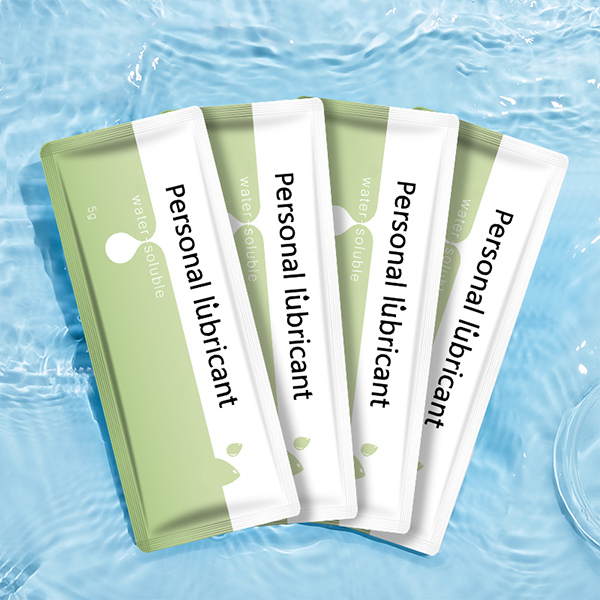
First, identify the countries and regions where the products will be sold. Different markets may have different product classifications, labeling requirements, and compliance standards. Therefore, brands should understand the specific requirements of the target market before starting the project.
Production capabilities should also be evaluated. Stable manufacturing and quality management are important foundations for maintaining consistent supply for an international brand.
Product customization is another key factor. Brands can select formulations, capacities, and packaging according to the requirements of overseas markets. Packaging should also be planned according to the target market’s language, brand positioning, and sales channels.
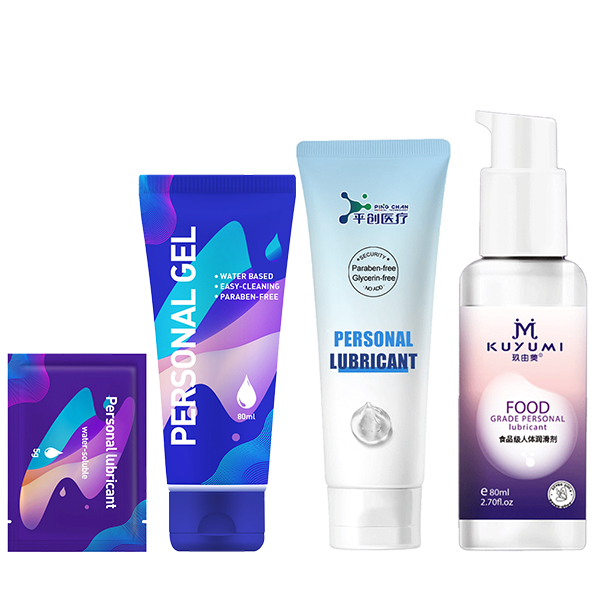
For cross-border sellers without an in-house design team, free packaging design from the manufacturer can reduce the initial workload. Free samples before production also allow customers to confirm the product and packaging in advance.
Pingchuang Medical provides personal lubricant OEM/ODM services, including customized products, packaging, and specifications, as well as free packaging design and free samples.

Cross-border brands should also discuss export-related documents and product requirements with the manufacturer in advance and confirm the applicable regulations in the target market. This can help make the OEM project smoother from product development through export and sales.