"Edible-grade" is a differentiator that has emerged in the personal lubricant market in recent years. Although personal Lubricant are not food, consumers are extremely concerned about their "oral safety" due to the specific scenarios of use. Scientifically evaluating their safety not only alleviates concerns but also reflects a brand's safety bottom line.
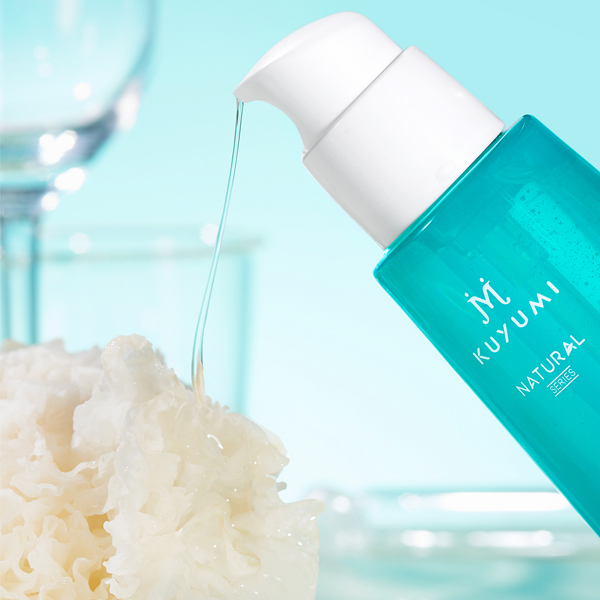
Regular water based Lubricant are mainly composed of purified water, plant gums (such as cellulose, xanthan gum), food-grade polyols (such as glycerin, xylitol), and extremely small amounts of preservatives. Medical-grade personal Lubricant that comply with FDA and CE standards have ingredients that are all within human tolerance, and accidental ingestion of very small quantities will not produce toxic reactions; usually, drinking more water to speed up metabolism is sufficient. A brand's claim of being "edible" does not encourage consumption but emphasizes the extreme purity of its formula and its food-grade safety endorsement. For such needs, developing products with natural fruit flavors, free of parabens, and with balanced pH is an excellent entry point for brands to establish a competitive advantage and enhance user goodwill in the intimate interaction domain.
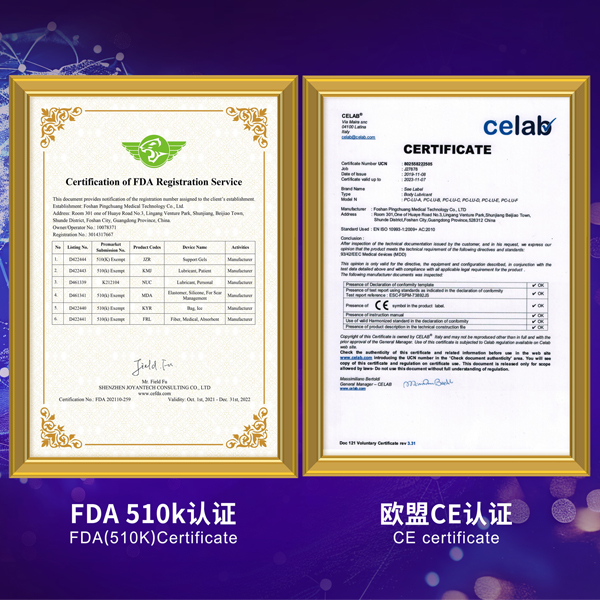
A sense of security is the cornerstone of intimate relationships. Pingchuang Medical, with its medical-grade rigor, provides the strongest endorsement for a brand's safety claims. By creating high-end personal lubricant masterpieces that are transparent in ingredients and safe for accidental ingestion, we help partners find the perfect balance between pleasure and safety, making every exploration smooth, safe, and worry-free.