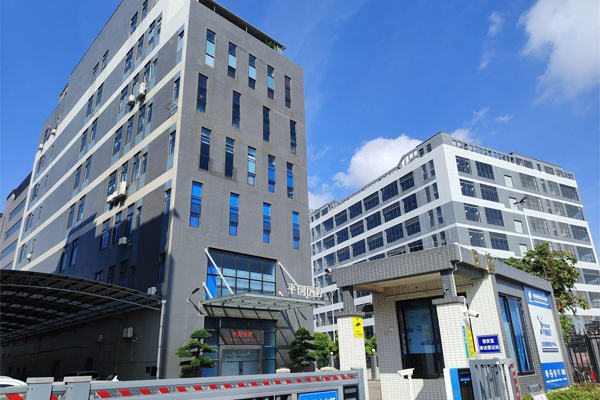
The packaging form of water based lubricant directly influences two core propositions: first, brand cost control, and second, the ultimate user experience. In e-commerce product selection, choosing the wrong packaging material can lead to severe shipping damage or a flood of negative reviews. Understanding the essential differences between soft tubes, bottles, and sachets can help sellers find the optimal balance between cost and premiumization.
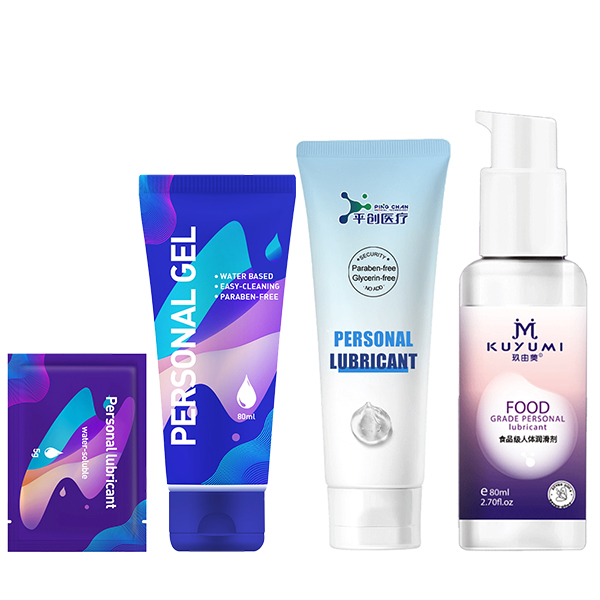
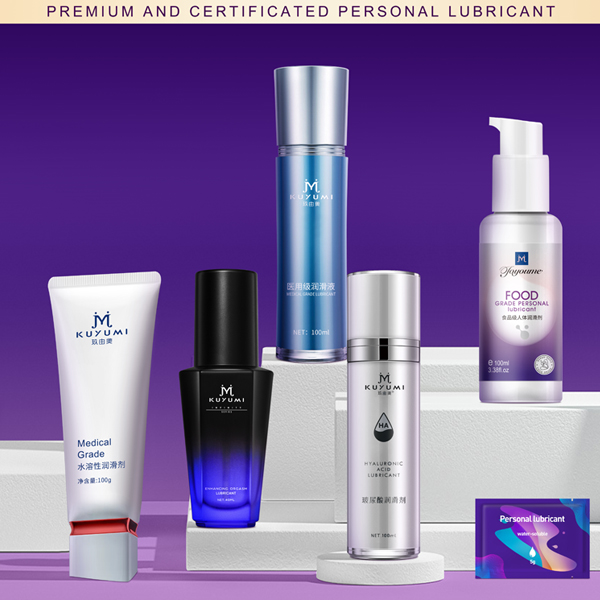
Soft tube packaging is currently the cost-effective choice. It is low in cost, lightweight, and very suitable for logistics and distribution. Soft tubes also offer a large printing area, convenient for brands to display visual elements, and are easy to squeeze. However, their drawbacks include easy spillage after opening and difficulty in precise dispensing. Bottled packaging (especially pump bottles or vacuum bottles) is the preferred choice for high-premium products. This type of packaging not only appears more high-end visually but also offers excellent one-handed operability, and vacuum bottles can effectively prevent liquid oxidation and contamination, making them ideal for high-end lubricants containing natural ingredients. Although unit costs and logistics volume are slightly higher, the user goodwill and premiumization space they bring can often offset the increased costs.
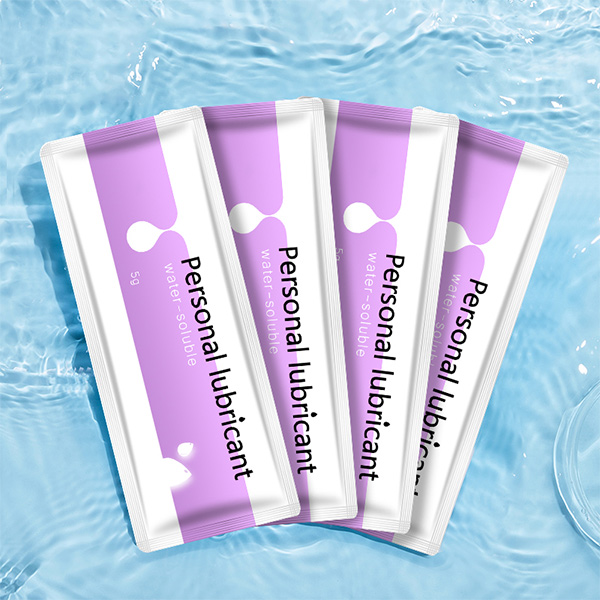
Sachets (small-sized packs), on the other hand, are primarily targeted for portability, travel scenarios, or as condom-attached packs. Their advantage is extremely low unit cost, making them an excellent tool for brand traffic acquisition and sampling. However, the residue after use and the awkward experience of opening sachets make them unsuitable as a main product for long-term user retention. Sellers should flexibly combine options based on their target audience: soft tubes for mass-market products, pump bottles for high-end or functional products, and sachets for introductory or trial experiences. Through a differentiated packaging matrix, brands can both secure profit margins and meet diverse market demands.
PINGCHUANG Medical integrates over 1,000 packaging solutions, covering all categories including medical syringe bottles, pump bottles, vacuum bottles, and sachets, supporting differentiated customization to enhance terminal premiumization. The company boasts 10 automated production lines, capable of a daily output of 600,000 units, ensuring efficient and high-quality delivery of various packaging types. Relying on full-process free packaging design and medical-grade qualification endorsement, PINGCHUANG Medical helps clients flexibly customize optimal packaging combinations for different platform characteristics, achieving dual improvements in brand premiumization and sales.