Mucosal tissues are thin, vascular, and lack the protective keratinized layer of outer skin, making them sensitive to chemical irritation. Before entering the market, a quality lubricating jelly undergoes thorough biological testing, with vaginal mucosal irritation assays serving as a primary benchmark. Understanding these testing protocols helps brands ensure product safety and prevent irritation issues.
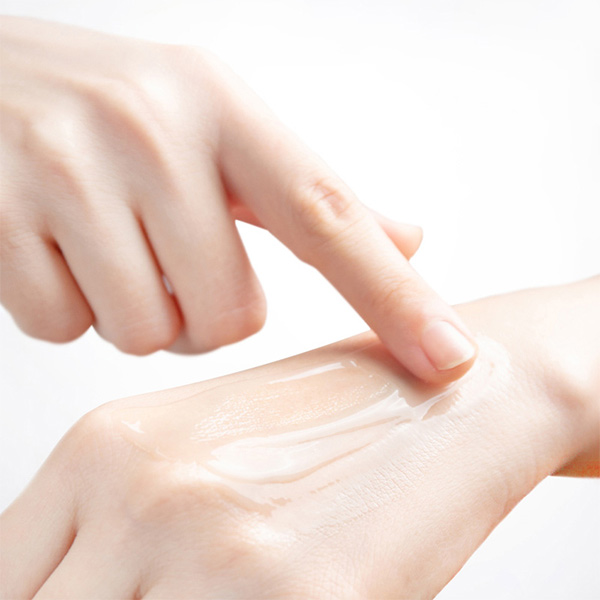
Vaginal irritation testing is a standard biological evaluation for Class II medical devices. Conducted by accredited, GLP-compliant biomedical laboratories, test formulations are applied to animal mucosal tissue over defined intervals. Histopathological evaluations then assess tissue sections for erythema, edema, epithelial sloughing, and leukocyte infiltration. Based on these observations, an irritation score is assigned; only formulations categorized as "non-irritating" or "minimally irritating" meet medical device safety standards for commercial production.
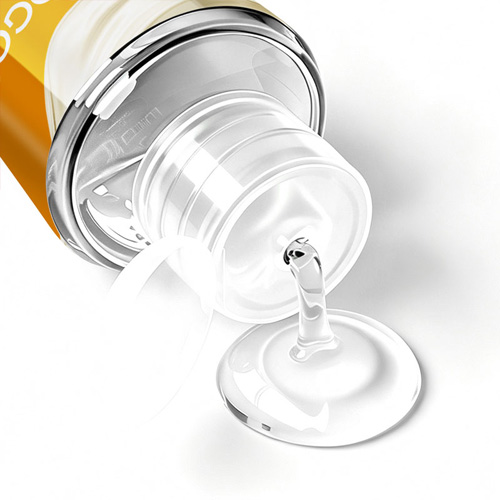
Passing these evaluations requires careful ingredient selection. Formulators avoid unvetted industrial glycerin, sensitizing paraben preservatives, and artificial fragrances, utilizing high-purity purified water and biocompatible plant extracts instead. Gentle osmolality adjusters match product osmolality to natural body fluids, preventing tissue dehydration and micro-tears. Additionally, precise pH buffering keeps the local microenvironment balanced to support natural barrier functions.
Testing formulations through accredited biological evaluations provides brands with documented safety validation for international markets, ensuring a gentle user experience.