As the global intimate care sector moves toward standardized governance, export pathways for personal lubricants have become more structured and demanding. From initial formulation to final retail placement, brand owners must navigate a compliance chain composed of regulatory registrations, ongoing quality control, and accredited third-party validation. Reviewing this process in detail helps entrepreneurs save time and avoid costly missteps during global expansion.

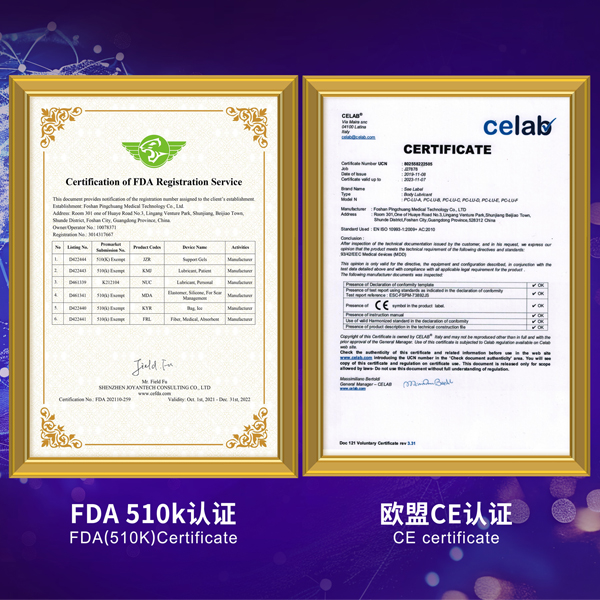
The initial phase involves product classification and foreign regulatory filing. For the North American market, manufacturers must pay FDA annual facility fees, complete establishment registration, list medical devices, and obtain an active 510(k) clearance number. In the European market, manufacturers must prepare a comprehensive technical dossier aligned with the Medical Device Regulation (MDR) and complete official notifications via an authorized European Representative (EC REP). These multi-tiered requirements depend heavily on the manufacturer's regulatory background.
The secondary phase entails destructive testing at accredited third-party laboratories. Internationally recognized inspection bodies, such as SGS and Intertek, perform multi-dimensional toxicological assessments alongside physical-chemical evaluations. Vaginal irritation studies verify that the formula is non-inflammatory; skin sensitization assays confirm a low allergy profile; and accelerated stability testing simulates product degradation during oceanic transport to confirm shelf life. Only when all parameters pass can third-party test reports serve as valid credentials for customs clearance and platform audits.
Brand owners benefit from partnering with large-scale manufacturers that possess established legal and technical expertise. Utilizing a manufacturer’s pre-existing approvals and compliant formulas removes the burden of expensive standalone testing fees, supporting an efficient path to international markets.