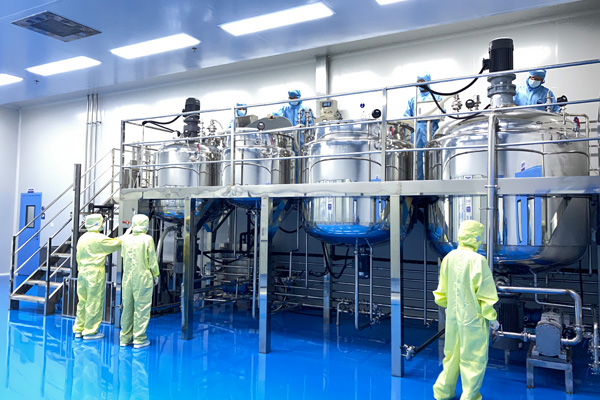
In the lubricating jelly OEM industry, capacity and quality were once seen as opposing ends of a difficult balance. However, with the widespread adoption of automated filling technology, this contradiction has been perfectly resolved. Ten fully automated production lines not only mean an impressive daily output of 600,000 units but also represent strict control over the consistency of each product's viscosity, filling volume, and sealing. Automation is not just about speeding up; it is the technological core driving lubricating jelly toward standardization and high-end quality.
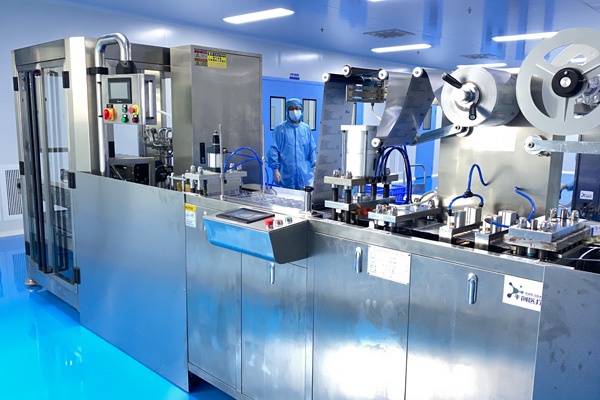
The greatest value of automated filling lies in "eliminating human contamination." In a Class 100,000 cleanroom, the fully enclosed automated process ensures the liquid does not come into direct contact with outside air during filling, greatly reducing the risk of microbial contamination. This is crucial for medical-grade products frequently contacting sensitive areas. At the same time, precision sensors control filling errors to the microgram level, combined with automatic labeling and coding systems to ensure every batch meets export customs traceability requirements. For brands, this large-scale automation provides the confidence to handle global major brand orders and Black Friday restocks. It not only guarantees a 99.99% on-time delivery rate but also significantly lowers unit costs through economies of scale.
By choosing factories with powerful automated clusters, brands can achieve a "light asset, high output" operation model. Factories provide free packaging design and qualification endorsement, allowing brand owners to focus solely on traffic operations. This deep production and research collaboration, combined with global compliance certifications such as FDA and CE, helps new brands enter international markets with low barriers. The high-quality output brought by automation is the strongest pillar for brands to establish credibility in the high-end market and achieve differentiated premium pricing.