For independent DTC brands, Amazon merchants, and startups entering the personal wellness market, traditional contract manufacturing minimums of tens of thousands of units can present difficult capital hurdles. Large inventory commitments tie up working capital and increase risk during initial market testing. Understanding how flexible manufacturing and tiered pricing work allows emerging brands to manage their capital efficiently.
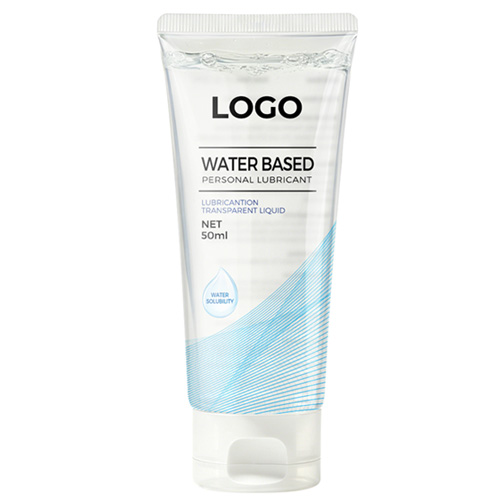
Flexible manufacturing focuses on minimizing setup waste during short production runs. Modern manufacturing facilities achieve this by outfitting automated filling lines with modular changeover tooling suited for diverse container formats. Supported by standard packaging components (such as standard tubes and stock pump bottles) and pre-tested bulk bases, the plant can clean, calibrate, and execute shorter production runs without extensive downtime, making smaller orders practical for the factory to run.

Tiered pricing aligns production volume with brand growth. On initial runs of several thousand units, the unit manufacturing cost may be slightly higher than for high-volume orders, but the lower capital commitment allows brands to test the market with reduced inventory risk. Once a product establishes sales momentum, reorders of larger volumes benefit from line efficiencies, lowering unit prices across established volume tiers.
Working with an established source manufacturer that produces at scale while accommodating emerging brands allows startups to launch efficiently and expand their operations smoothly.