Within family planning and sexual health markets, small foil sachets bundled inside condom cartons represent a substantial product category that requires disciplined supply chain execution. For condom brands and institutional distributors, the core challenge is keeping unit costs low while ensuring formulations are compatible with natural latex and packaging remains sealed over extended storage.

The primary requirement in sachet contract manufacturing is chemical compatibility. Because the personal lubricant and latex condom are stored together, formulations must strictly avoid mineral oils, vegetable oils, or petroleum-derived compounds, which can degrade latex within days and create tear risks. Legitimate contract manufacturing uses purified water-based or medical-grade silicone matrices verified through condom compatibility testing, ensuring materials remain intact and safe over multi-year shelf lives.
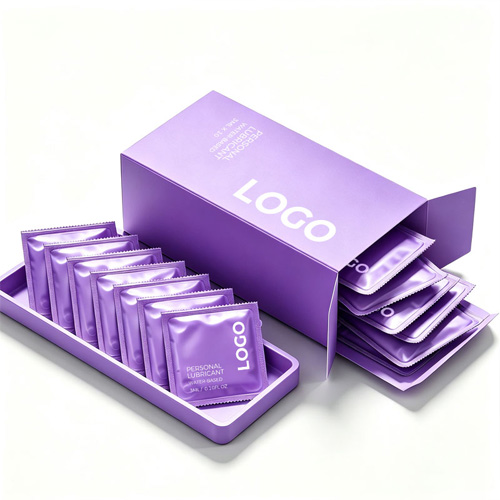
Fulfilling large-scale orders of millions of units demands disciplined cost control and automated filling. Established manufacturers run multi-lane high-speed sachet packing lines capable of producing hundreds of thousands of units daily. Bulk procurement of raw materials helps manage unit costs, while primary packaging utilizes multi-layer aluminum barrier laminates (PET/AL/PE) sealed with precision heat-sealing dies to prevent leaks or drying during transit and storage.
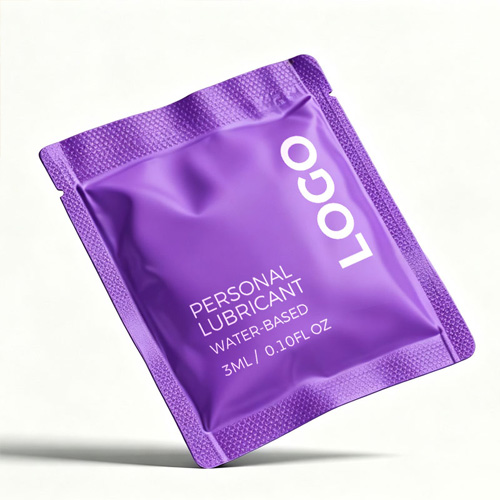
These compact sachets also serve as effective trial units. Brands can use them for consumer sampling, promotional giveaways, or bundling with lingerie to drive brand discovery at low marginal costs.