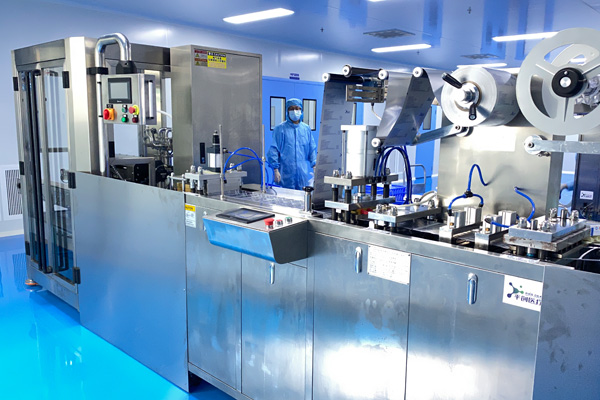
Amid rising global trade barriers, the export of lubricating jelly is facing unprecedented scrutiny over its ingredients. Whether it's the US FDA's strict limits on preservatives or the EU MDR's high standards for biocompatibility, brands must have a thorough understanding of every molecule in their products. The key to passing inspections lies not in public relations but in compliance at the production level and the fundamental stability of the formulation.
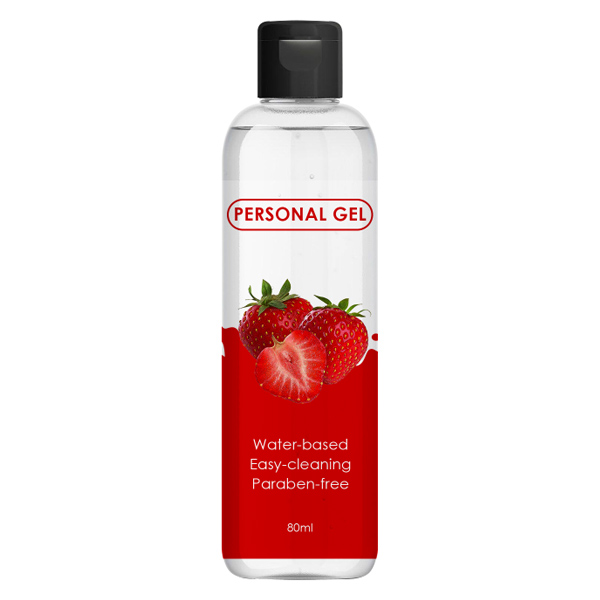
The primary requirement for ingredient compliance is raw material traceability. Export-grade lubricants must use medical-grade raw materials under GMP pharmaceutical production standards and exclude ingredients like parabens that are restricted in some markets. OEM factories need strong R&D capabilities, with over 2,000 validated mature formulas on hand, and the ability to adjust pH, viscosity, and preservative ratios according to target market regulations. In quality control, 21 processes must strictly control microbial and heavy metal residues to ensure third-party test reports can withstand random customs inspections. Additionally, holding US FDA 510K and EU CE certifications is the most effective "pass" for regulatory review. This full qualification endorsement not only speeds up customs clearance but also naturally enhances brand credibility and reduces return risks.
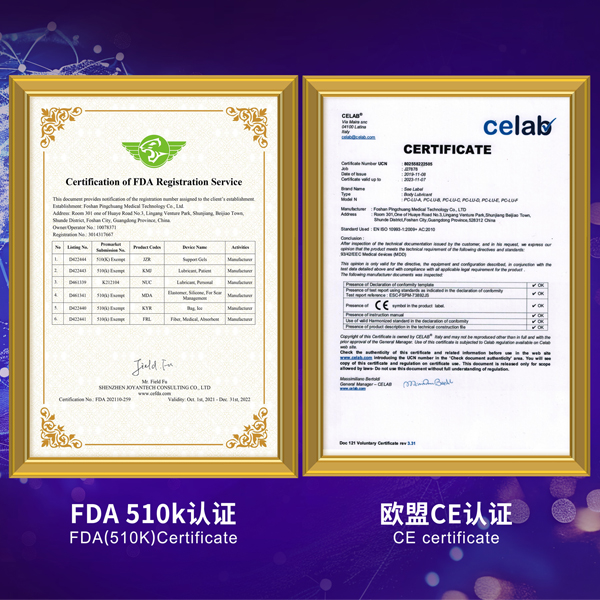
For cross-border brands, choosing a one-stop factory that provides qualification authorization and compliance consulting is key to reducing costs and increasing efficiency. Through free sampling and packaging design services, brands can quickly iterate differentiated products that comply with local regulations. This ingredient safety based on medical-grade production quality is the core guarantee for brands to achieve high unit price premiums and build a global high-end care image.