International container shipping involves transit times of several weeks, exposing cargo to equatorial heat, marine humidity, and physical vibration, with interior container temperatures sometimes exceeding 50°C. Under these conditions, unstable formulations can suffer polymer breakdown, thinning, or crystallization. Implementing structured accelerated aging and stability testing ensures products maintain their quality through arrival at destination ports.
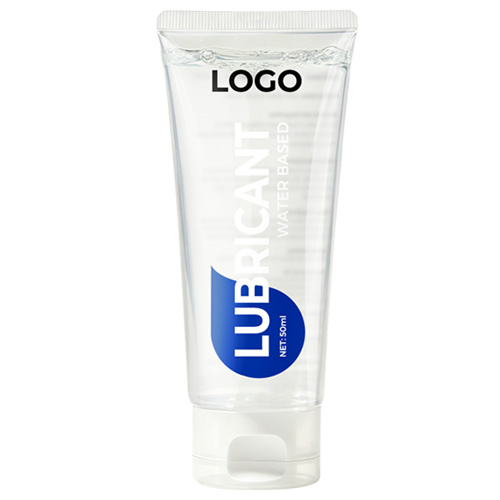
Accelerated stability testing utilizes Arrhenius reaction kinetics, placing packaged production samples inside environmental test chambers set to elevated temperatures (e.g., 40°C to 55°C) and controlled relative humidity. Several weeks under these conditions simulate months of room-temperature shelf aging. Technicians test the samples at scheduled intervals, evaluating dynamic viscosity curves, light transmission, pH stability, and preservative efficacy to verify the matrix remains stable across temperature swings.
Physical resilience testing is equally important. Centrifugal testing at thousands of RPM evaluates resistance to mechanical vibration and shear experienced during ocean transport, confirming the gel matrix will not separate. Negative-pressure vacuum chamber testing checks bottle pumps and cap threads under pressure fluctuations, helping prevent container leaks.
Thoroughly tested formulations can endure the rigors of trans-oceanic shipping, ensuring products reach consumers with their intended texture and performance intact.