When launching a lubricating jelly project, brands often weigh between "finished product OEM" and "custom formulation." The advantage of finished product OEM lies in speed, using the factory's existing popular formulas for quick market entry, suitable for small orders and fast turnaround; custom formulation, on the other hand, helps build a unique brand moat, ideal for long-term players targeting high-end or niche markets. Regardless of the chosen model, the core is how to balance R&D costs with differentiation premiums.
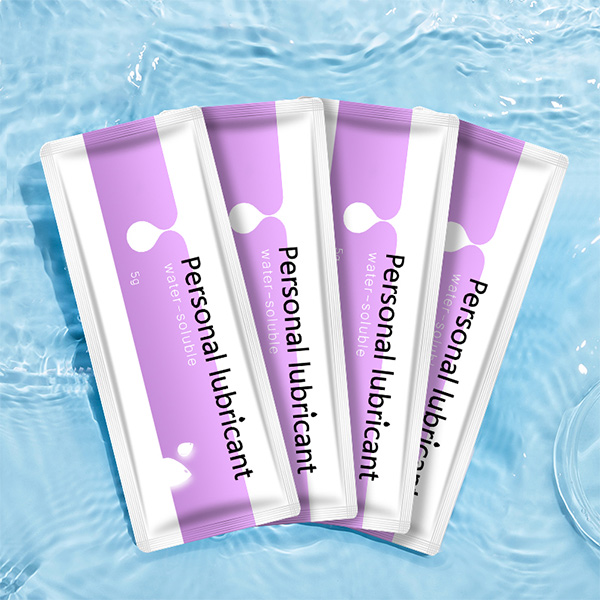
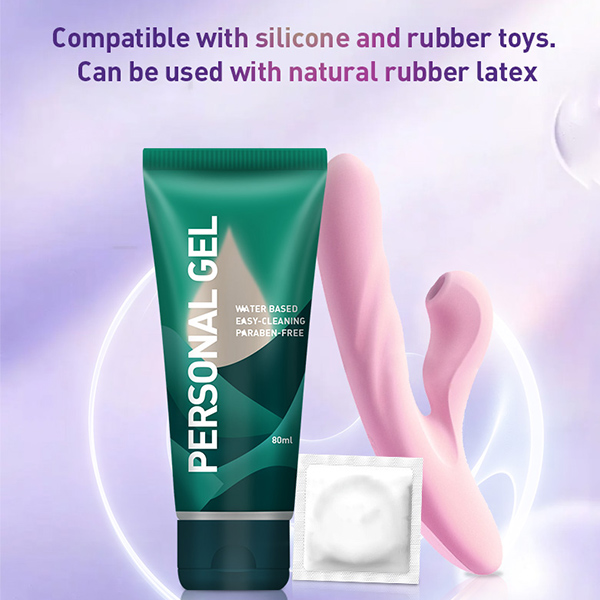
The underlying logic of finished product OEM (ODM) is "resource sharing." The contract manufacturer has over 2,000 verified mature formulas that have been market-tested, with extremely stable viscosity, pH value, and safety. Brands can select samples for free, with the fastest turnaround in 1 working day, greatly reducing trial-and-error costs. Formula customization allows brands to make micro-innovations in areas such as hyaluronic acid, warming sensation, and plant extracts, supporting in-depth adjustment of over 60 parameters. Although the R&D cycle is slightly longer, it avoids low-price competition. The smart strategy is to quickly start using existing qualifications and free design, begin with small-batch trials, and then proceed to deep formula customization based on feedback. This one-stop, phased cooperation model can save brands an average of 200,000 yuan in upfront investment.
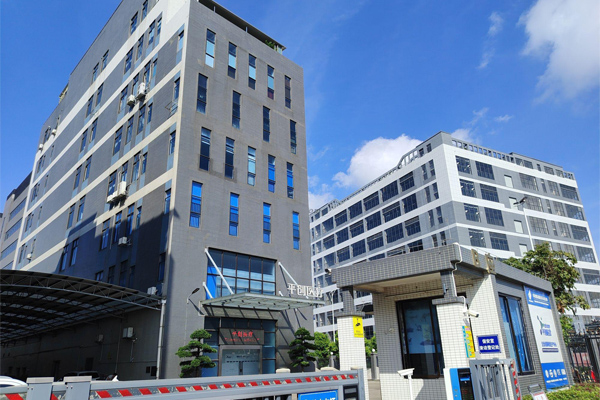
The final quality assurance must be based on the factory's hardware and compliance. Regardless of the OEM model, factories should have US FDA 510K and EU CE certifications and strictly follow GMP standards in a Class 100,000 cleanroom. With an automated daily capacity of 600,000 units and global qualifications, brand owners can start with zero factory investment and turn high-standard production quality into brand credibility.