The osmolality of lubricating jelly is a core physicochemical indicator for evaluating its safety. The World Health Organization (WHO) explicitly states in its guidelines: to prevent damage to vaginal and rectal mucous membranes, the ideal osmolality of lubricating jelly should be below 380 mOsm/kg, and ideally not exceed 1200 mOsm/kg. However, there remains a significant gap between actual global market implementation and this recommended value.
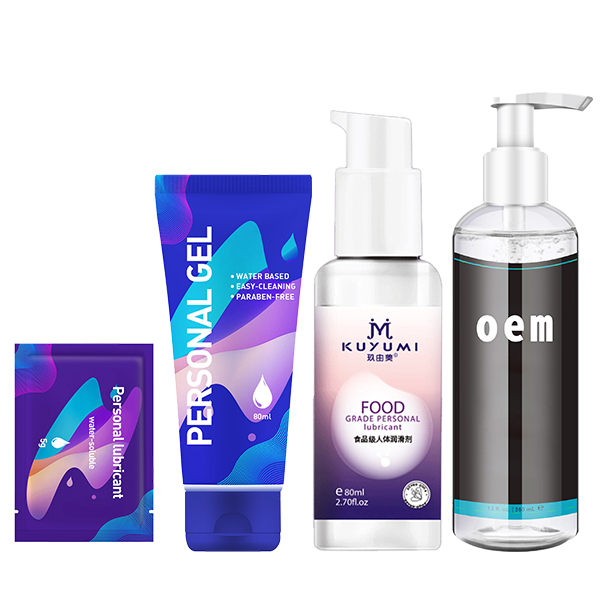
Currently, the US FDA has stringent osmolality testing requirements for 510K-certified personal Lubricant, while regulation in some developing countries is still vague. Many affordable water based Lubricant on the market often have osmolalities exceeding 2000 mOsm/kg due to excessive addition of polyols like glycerin and propylene glycol. The water-absorbing effect of high osmolality can cause fragile mucosal cells to shrink or even rupture, leading to noticeable burning or stinging sensations for users. As global regulation tightens, meeting osmolality standards has become a hard threshold for brands entering mainstream markets.
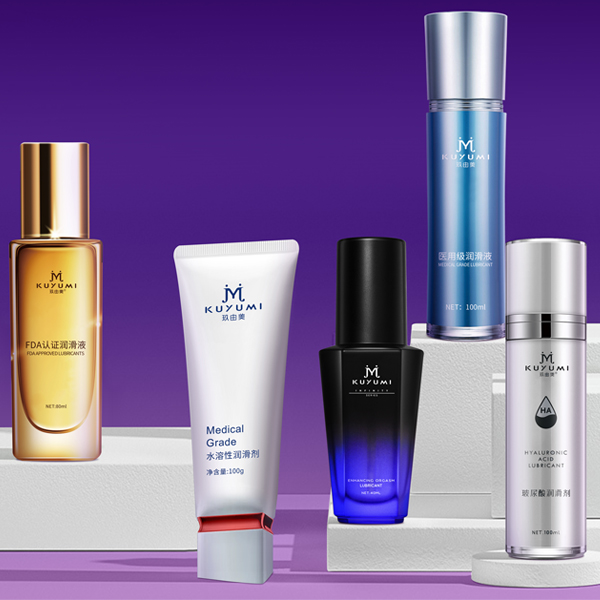
For brand owners, lowering osmolality while maintaining long-lasting lubrication requires sophisticated formulation balancing techniques. This typically means adopting more advanced non-ionic surfactants or high molecular weight polysaccharides, which, although slightly increasing costs, offer unparalleled safety advantages.
Pingchuang Medical specializes in medical-grade personal lubricant customization. During R&D, we strictly adhere to WHO recommended values and support precise fine-tuning of over 60 parameters, including osmolality and viscosity. With a Class II Medical Device Registration Certificate and EU CE certification, we ensure that every customized product possesses globally recognized compliance data.
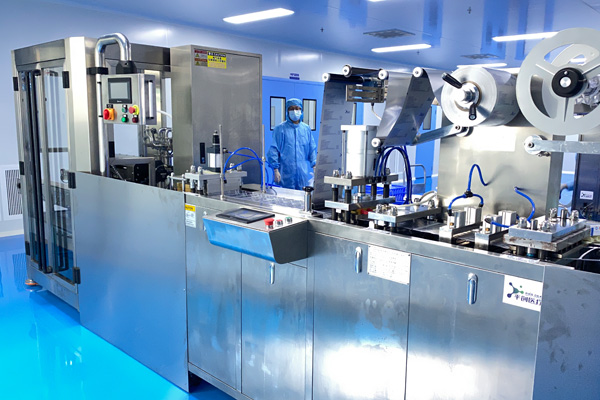
Standard is quality, compliance drives value. Choosing Pingchuang Medical means your brand will stand at the scientific height of the WHO, conquering the global market with safer product power.