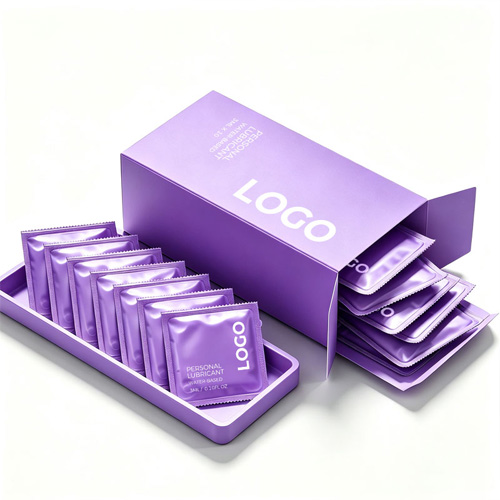
For cross-border export products shipped overseas, extended ocean transit tests overall product stability. Weeks of tropical heat, wave-induced agitation, and humid conditions can lead to phase separation, discoloration, sudden drops in viscosity, or mold growth. Implementing effective preservation and stabilization technologies ensures large export shipments arrive in clean, uncompromised condition.
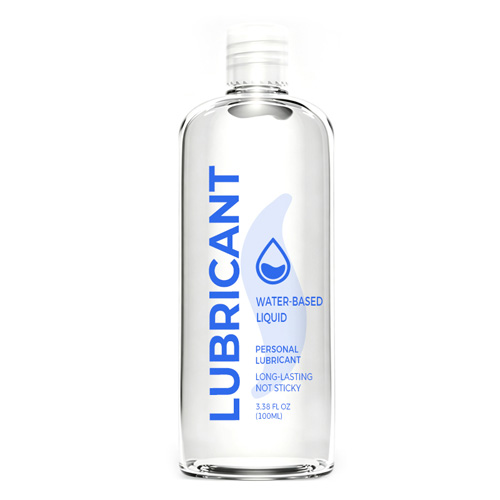
Rich in water and humectants, a personal lubricant can naturally be vulnerable to microbial proliferation if not properly formulated. Under international export regulations, low-cost formaldehyde-releasing preservatives are widely restricted. Modern manufacturing employs multi-dimensional, gentle antimicrobial systems. By utilizing innovative amphiphilic molecules such as caprylyl glycol and caprylhydroxamic acid to disrupt bacterial membrane potentials, broad-spectrum antimicrobial efficacy is achieved at low inclusion rates, keeping the formula non-irritating in mucosal testing.
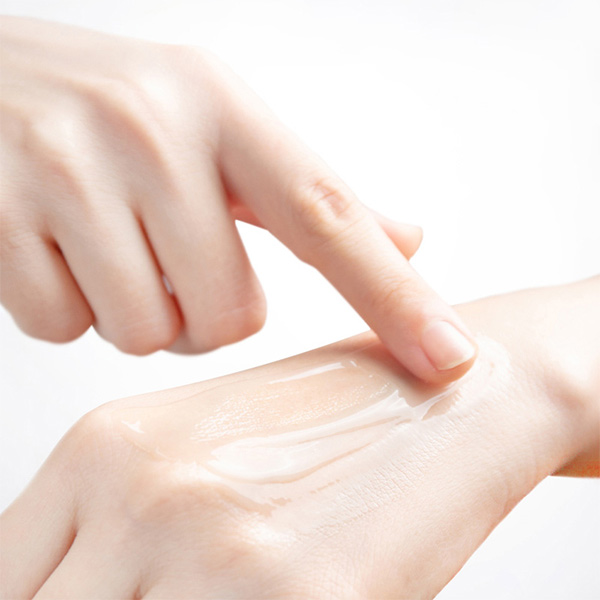
Alongside chemical preservation, physical anti-spoilage engineering is vital. During vacuum homogenization, micro-air bubbles must be fully evacuated to eliminate dissolved oxygen that could cause oxidation, rancidity, yellowing, or off-odors. Chelating agents are added to bind trace metal ions in the water phase, preventing them from catalyzing polymer chain degradation. Prior to commercial filling, formulations undergo freeze-thaw cycling and elevated-temperature centrifugation to simulate extreme equatorial shipping conditions, ensuring a stable three-year shelf life.
Combining microbial protection with chemical stability helps brands prevent overseas returns and build a dependable supply reputation with international distributors.