In the manufacturing process of water based lubricant, the quality inspection report serves as the product's "health certificate." However, many startups often just glance at the "pass" status and sign off upon receiving the report, overlooking critical details hidden within. Learning to understand the quality inspection report is not only to comply with e-commerce platform audits but also to technically avoid fatal risks such as excessive heavy metals and bacterial contamination, thereby protecting the brand's reputation.
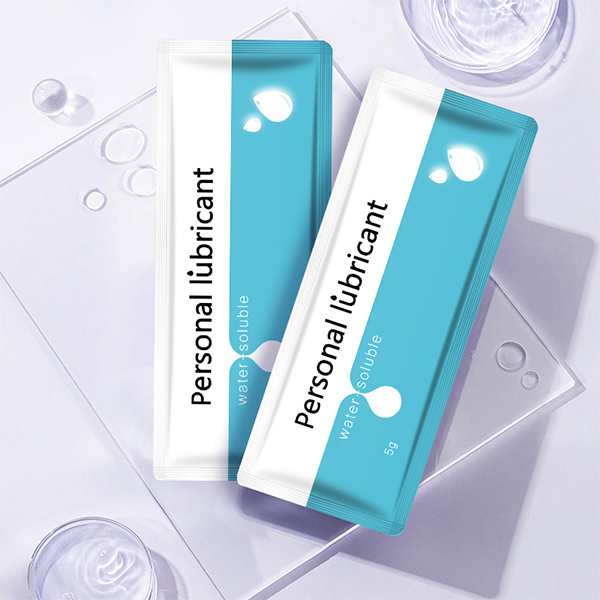
A standard medical-grade quality inspection report focuses on three key points. First is the "microbial indicators." Lubricants are rich in moisture and prone to bacterial growth. A compliant report must clearly state that the total bacterial count is below 100 cfu/g, and pathogenic bacteria (such as Staphylococcus aureus, Pseudomonas aeruginosa, etc.) test negative. Second is the "physicochemical indicators." The focus is on whether the pH value remains stable within the acid-base balance range (3.8-4.5) and whether the viscosity meets contract standards. Inferior products show a sharp drop in viscosity after high-temperature testing; centrifugation experiments and stability data in the report are critical.

Finally, the "safety biological evaluation" must be reviewed. This includes test results for skin sensitization, vaginal mucosal irritation, and other assessments. Only formulas that pass these tests can truly be called "body-friendly." When selecting a factory, brands should verify whether it has an independent laboratory and a strict 21-step quality control process. A high-value report is usually accompanied by internationally recognized FDA or CE certification, indicating that the product complies not only domestically but also can freely enter global markets.

Pingchuang Medical has established and implemented 21 rigorous quality inspection procedures, strictly controlling microbial and heavy metal residues to ensure every product meets medical-grade quality. We hold Class II medical device registration certificates, FDA 510K, and CE certifications, establishing global market access qualifications.