Lubricant export projects typically involve multiple areas, including product manufacturing, packaging, labeling, documentation, and target-market requirements. Therefore, brands should understand the complete OEM production process before selecting a lubricant export manufacturer.
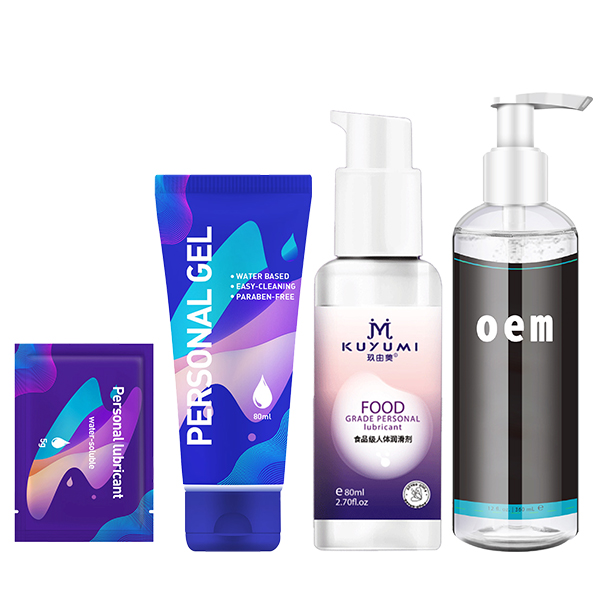
Step 1: Define the target country and product positioning
Regulatory requirements can vary between markets. Brands should confirm the product category and applicable import requirements before starting development.
Step 2: Develop the product solution
Brands can select a mature formulation from the manufacturer or request an ODM customization solution according to their product positioning.
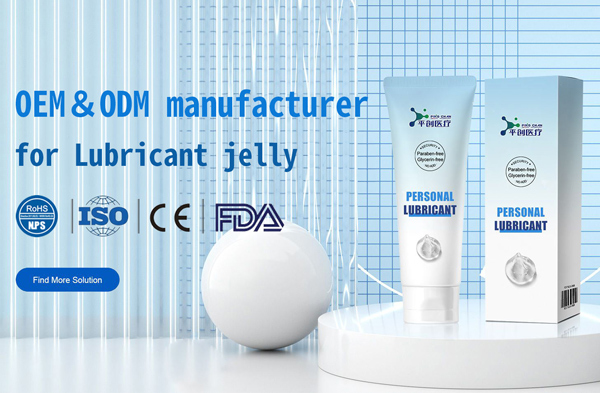
Step 3: Customize the packaging
Packaging is an important part of an export product. Label information, language, product specifications, and other details should be planned according to the target market. A professional OEM manufacturer can provide packaging customization, while Pingchuang Medical also provides free packaging design.
Step 4: Product sampling
Once the packaging and product design have been completed, samples can be produced for confirmation. After approval, mass production can begin. Pingchuang Medical provides free samples.
Step 5: Mass production
The manufacturer organizes production according to the confirmed formulation, packaging, and specifications, followed by finished-product packaging and delivery.
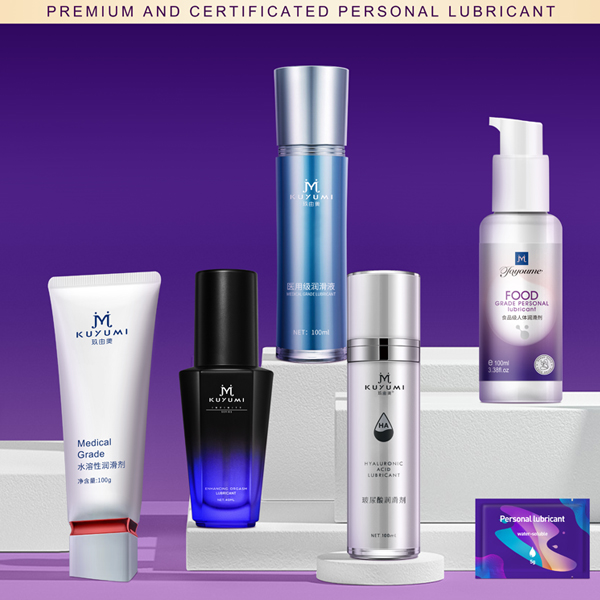
Pingchuang Medical provides personal lubricant OEM/ODM services, including private label production, product customization, and packaging customization. For export projects, brands should identify the target market at the beginning of the project so the manufacturer can provide appropriate support.
Specific export qualifications and documentation requirements vary depending on the country, region, and product classification. Brands should confirm the requirements applicable to their actual target market.