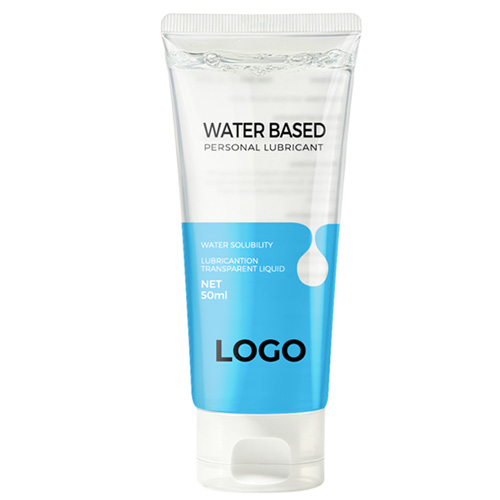
Among the sensory attributes of a lubricating jelly, biomimetic realism is a primary indicator of product quality. Lower-tier jellies often feel like sticky glue or break down into thin, watery puddles, disrupting intimate moments. Overcoming rheological challenges to formulate a gentle, slightly stringy, crystal-clear texture that mimics natural human secretions is central to developing well-received products.
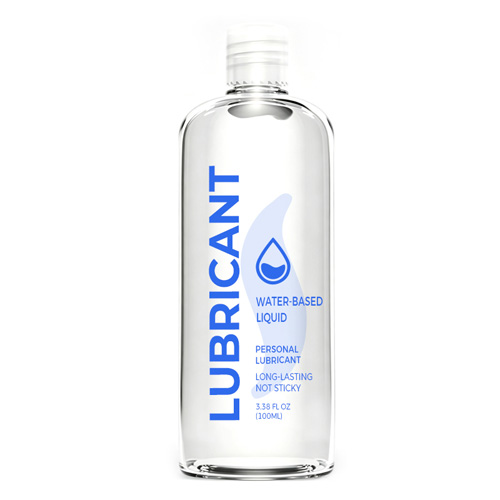
The key to a biomimetic stringy formula lies in balanced polymer molecular weight distribution. Relying solely on high-molecular-weight cellulose can lead to broken strings or pilling; on the other hand, insufficient viscoelasticity fails to provide a persistent, friction-reducing fluid cushion. R&D engineers blend specific polymer grades of sodium polyacrylate, water-soluble dextran, and small-molecule polyols to create a non-Newtonian, shear-thinning network. At rest, it exhibits a cohesive gel-like pull for clean dispensing; upon application and movement, viscosity drops instantly, spreading naturally like water.
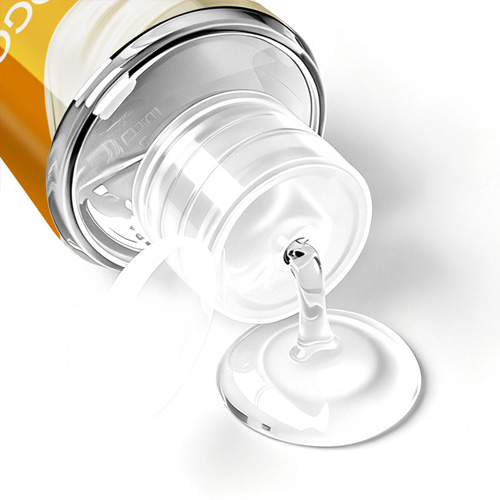
Beyond mechanical stringiness, biomimetic formulations match the osmolality and temperature perception of natural bodily fluids. Calibrating osmolality to an isotonic range equivalent to vaginal cells helps prevent moisture from being drawn out of tissues, avoiding artificial slip followed by secondary dryness. Adding trace amounts of skin-compatible phosphatidylcholine provides a soft, velvety texture, allowing users to experience natural, unhindered glide.
Achieving this biomimetic performance requires vacuum deaerating homogenization equipment and extensive formulation data, ensuring consistent draw and texture across every batch.