Many consumers are curious about the production environment of the water based lubricant that sells well daily on e-commerce platforms. Entering a factory with medical device production qualifications, you will find that the birth process of a compliant lubricant is far more complex than imagined. From raw material selection to finished product rollout, every step is filled with the ultimate pursuit of "safety" and "sensory experience," an industrial art under strict standards.
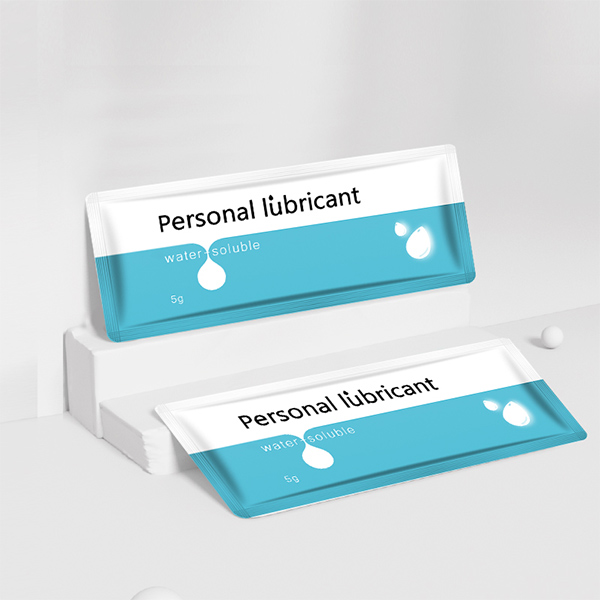
The journey begins with the selection of "medical-grade raw materials." In a 100,000-class dust-free cleanroom, operators must undergo strict sterilization procedures. Raw materials undergo physicochemical and microbiological testing before entry to ensure zero heavy metal and impurity residues. During production, an intelligent vacuum emulsifier precisely controls temperature and shear speed to perfectly blend water molecules with lubricating factors (such as hyaluronic acid), ensuring a silky, non-sticky feel. This GMP pharmaceutical-grade production standard is difficult for ordinary cosmetic factories to achieve. Even a simple water based lubricant must have its pH precisely locked between 3.8 and 4.5, suitable for the intimate environment.
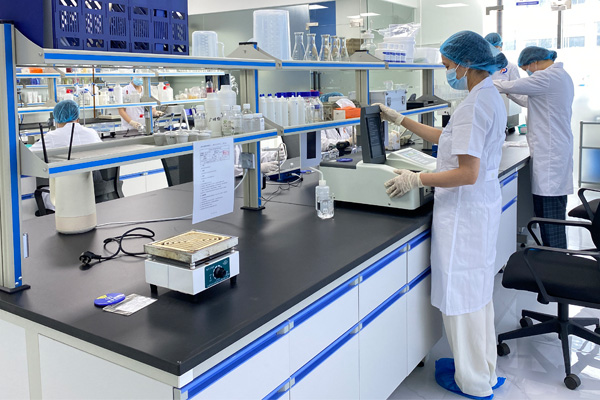
The final stage is the "devil-level quality inspection." After the product is off the line, it must undergo biological evaluations, including vaginal mucosal irritation tests and skin sensitization tests. Only when all data meet compliance requirements can a compliance label be applied. This strict quality control not only ensures user health but also serves as the foundation for the brand's credibility. A good lubricant not only represents immediate pleasure but also reflects the production system's professional control over every subtle parameter.