Among functional sensory products, warming Personal Lubricant consistently attract consumer interest, yet user complaints frequently cite either intense stinging or brief warmth that fades into cold, sticky residue. Calibrating the thermal release curve to achieve lasting, comfortable warmth without irritation is a technical benchmark for formulation teams.
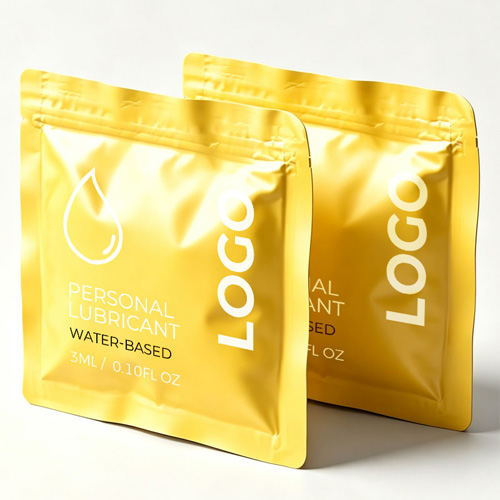
The first step in engineering comfortable warmth is avoiding cheap, irritating chemical heat agents. Lower-cost products sometimes incorporate capsaicin derivatives that trigger pain receptors to simulate heat, often resulting in mucosal redness or burning. Quality formulations combine hydrophilic polyol hydration warming with measured warming agents like pharmaceutical-grade vanillyl butyl ether (VBE). VBE targets mucosal thermal receptors (TRPV1) to generate a mild physiological sensation of warmth that supports microcirculation, keeping localized skin temperatures within a comfortable 38°C to 40°C range.
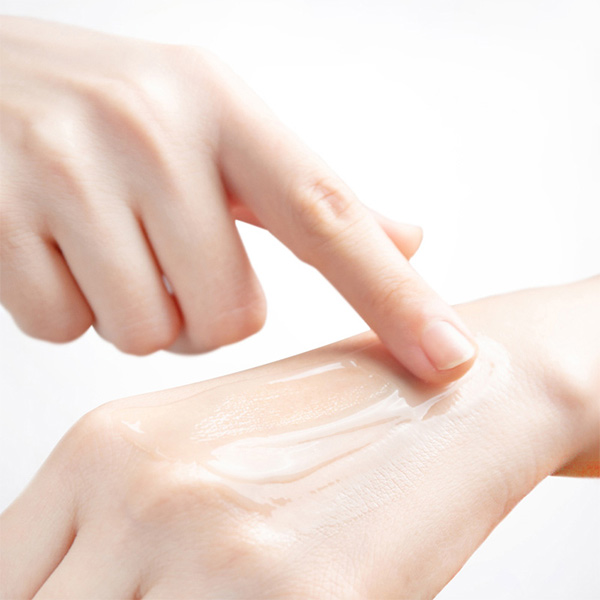
Maintaining long-lasting warmth relies on a polymer-release framework. Encapsulating warming agents within a three-dimensional hydrogel matrix allows frictional shear to release the active molecules gradually, extending the warming experience over several minutes. Simultaneously, high-molecular-weight sodium hyaluronate is included to counter the moisture-absorbing feel of polyols, keeping tissues hydrated and preventing stinging or tightness.
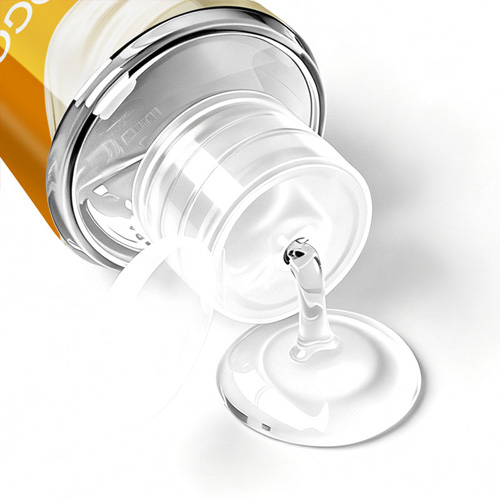
Achieving this balance requires careful in vitro tissue irritation screening. Working with an experienced manufacturer that maintains verified thermal testing data allows brands to develop well-balanced warming products.