During custom contract manufacturing of lubricating jelly, spending weeks iterating laboratory prototypes without achieving the desired skin feel can be a frustrating experience. Sensory texture is subjective, and without a shared technical vocabulary, formulation chemists may find it difficult to interpret a brand's creative vision. Learning how to communicate effectively with R&D teams helps shorten product development timelines.
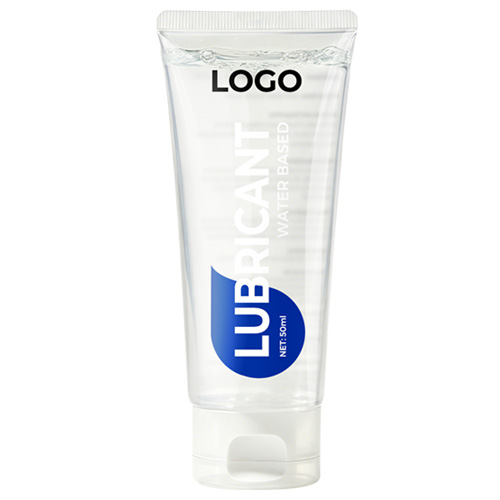
The first rule of effective communication is "providing a physical benchmark rather than subjective adjectives." Instead of asking for a formula to be "a little more moisturizing" or "slightly lighter," supplying the laboratory with an established market sample allows chemists to measure its rheological profile, viscosity curve, and elastic modulus directly. The second tip is "quantifying specifications": clearly defining the desired pH range, target stringiness length, and whether the formula must be glycerin-free or isotonic translates creative concepts into measurable physical-chemical parameters.
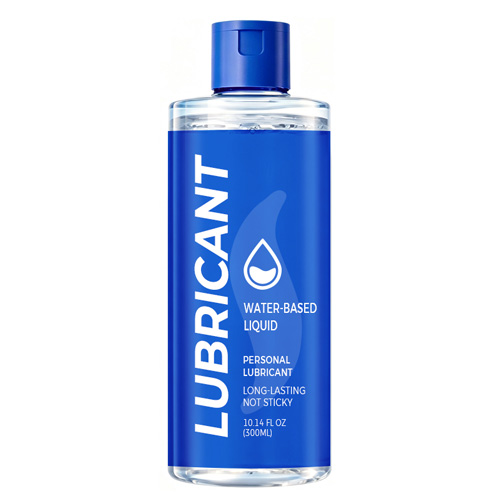
Third, specify the intended target audience and primary usage scenario. Formulating for menopausal dryness relief requires a different approach (such as a hyaluronic acid water-based gel) than designing an extended-wear silicone base for shower use. Fourth, utilize structured blind sensory evaluation scorecards that grade specific attributes—such as initial glide resistance, lubricity retention, rinseability, and after-feel—providing formulators with clear, actionable feedback.
Fifth, consider utilizing the manufacturer's validated formulation library as a starting point. Making targeted adjustments to an established, stability-tested base formula is often more efficient than attempting to engineer entirely new systems from scratch.