In personal lubricant R&D and cross-border catalog planning, the choice between water-based and silicone-based formulations is a central consideration. These two options, defined by contrasting chemical structures, deliver different physical textures and serve distinct usage scenarios. Understanding their strengths, limitations, and user demographics allows brand owners to structure their product lines effectively.
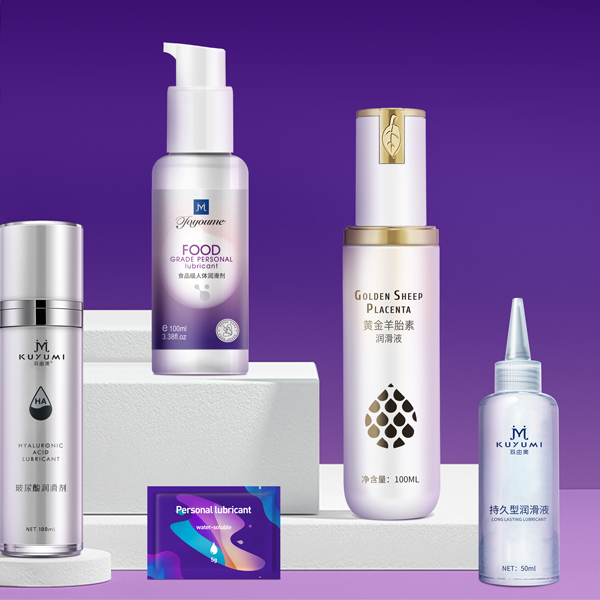
Water-based formulations form the high-volume foundation of the global market. Composed of medical-grade purified water and hydrophilic polymers, they offer broad compatibility, working safely with natural latex condoms and silicone sex toys. Their primary advantages include easy rinsing and a non-greasy feel, making them well-suited for daily hygiene routines and sensitive users. The main technical challenge is water evaporation; consequently, premium formulations incorporate low-molecular-weight hyaluronic acid or complex polysaccharide matrices to retain moisture and reduce the need for frequent reapplication.
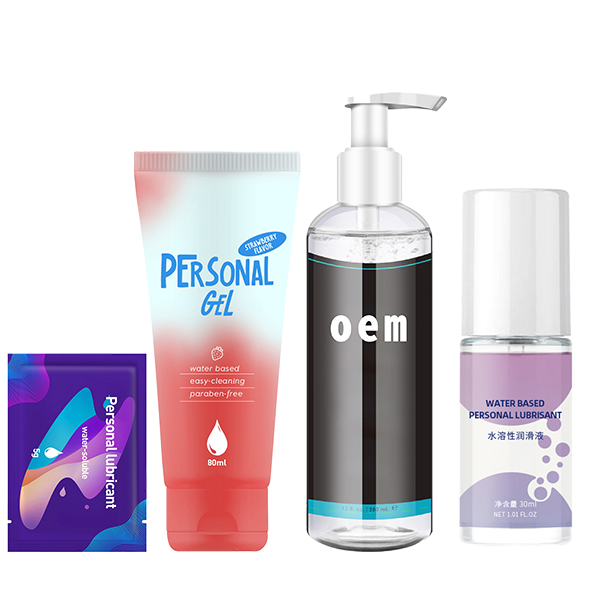
Silicone-based formulations often serve as higher-margin products in Western mid-to-high-tier markets. Blended from dimethicone and related siloxanes, these hydrophobic molecules do not evaporate, creating an enduring, silky barrier on mucosal surfaces. A single application delivers extended lubrication that performs reliably even during shower or underwater use. While silicone requires body wash or soap to remove and cannot be used with silicone toys, its smooth glide and durable performance support premium price points.
A common brand strategy is a dual-track portfolio: utilizing water-based lines to drive baseline volume, while featuring silicone-based variants to capture higher margins. Working with a capable contract manufacturer to produce both matrices provides brands with a balanced and versatile product offering.
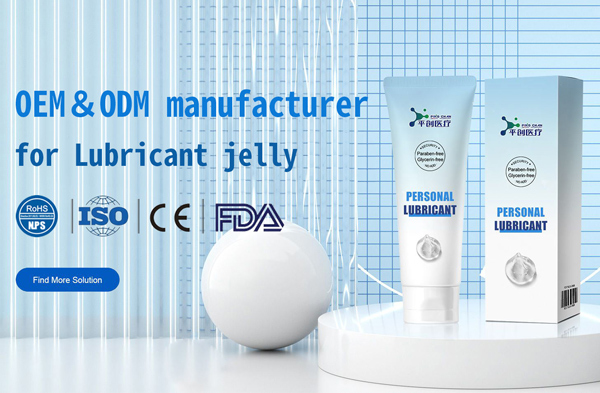
Pingchuang Medical possesses comprehensive R&D capabilities across water-based, silicone-based, and hybrid matrices, supported by an established library of over 2,000 validated formulations. Its facilities feature Class 100,000 cleanrooms, vacuum emulsification machinery, and FDA 510(k) and CE certifications. Offering complimentary pilot samples and differentiated packaging options, Pingchuang supports a daily output of 600,000 units to supply retail and digital shelves internationally.