Many consumers, after purchasing water based lubricant, notice a slight yellowing of the product over time and worry it indicates quality issues or bacterial spoilage. If not properly addressed, this concern can directly lead to a large number of returns and negative reviews. As a professional brand, it is necessary to educate users on this phenomenon from the perspective of chemical principles and formulation basics. In fact, color changes in lubricants are often closely related to ingredient properties, storage conditions, and packaging types. Understanding the truth allows the brand to appear more professional in after-sales communication.
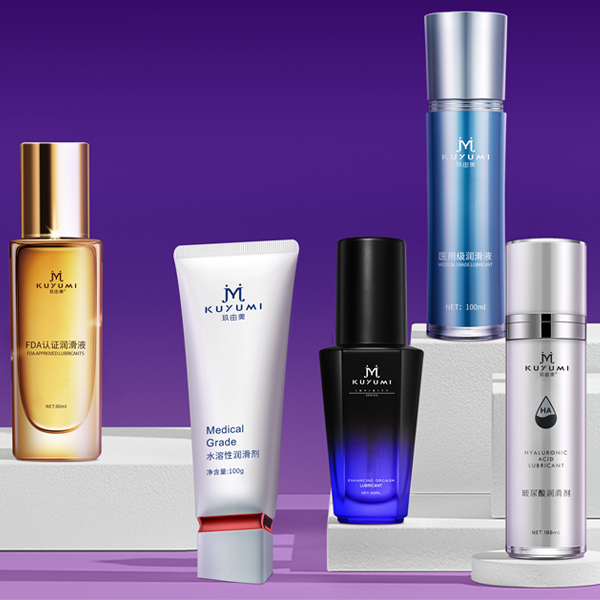
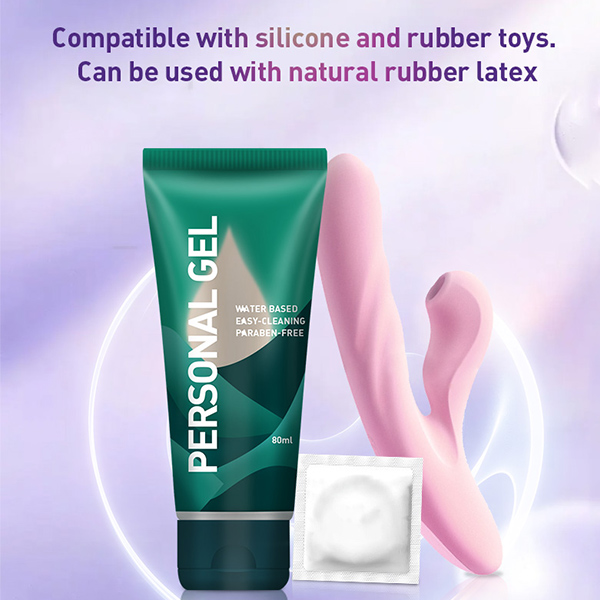
The most common cause of yellowing in water based lubricant is not deterioration but natural oxidation of the ingredients. For example, if certain plant extracts, essential oils, or polyol components are added to the formula, their molecular structure may slightly change upon exposure to air or light, causing a visual color shift. Another case is the slow reaction between pH adjusters and some active ingredients at specific temperatures. As long as the product shows no obvious sedimentation, clumping, or pungent odor, its lubrication performance and safety are generally stable. However, for brands, maintaining long-term color transparency under high standards is a key test of the contract manufacturer's process capabilities.
To avoid such visual "quality misunderstandings," top-tier OEMs use medical-grade raw materials and strictly control impurity residues through 21 quality inspection steps during production. At the same time, using vacuum bottles or light-proof packaging with better light protection can effectively extend the product's color stability. Brands providing appropriate education on the product detail page can not only reduce negative reviews but also demonstrate deep control over product ingredients. Choosing a factory with GMP standards and an extreme pursuit of formula stability is the strongest guarantee to avoid such after-sales crises.
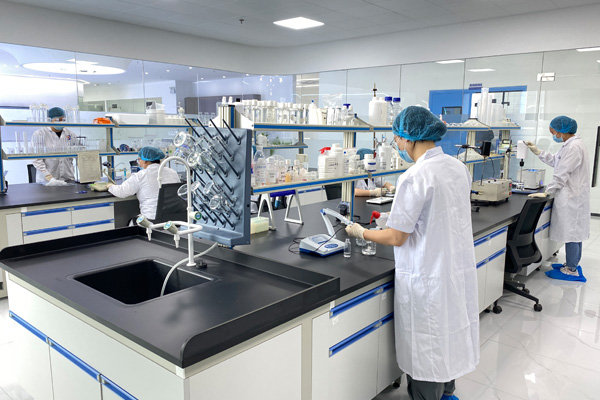
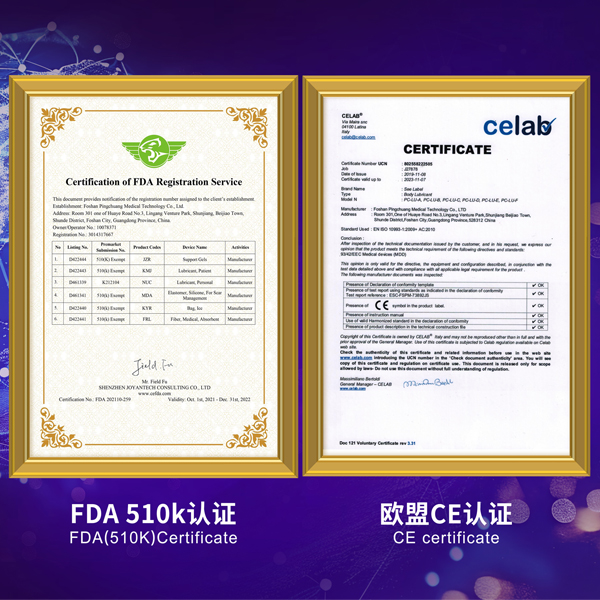
Pingchuang Medical strictly adheres to GMP pharmaceutical production standards, controlling microbial and heavy metal residues through 21 quality inspection processes to ensure product safety and stability. We have over 2,000 verified mature formulas in reserve, supporting in-depth stability optimization. The company holds FDA 510K, CE certification, and Class II medical device registration, offering free authorization and one-stop packaging design to help brands maintain high-end quality while confidently handling various market after-sales challenges.