In the private-label personal lubricant sector, contract manufacturing quotation sheets can sometimes confuse procurement teams. Quotes for identical bottle volumes can vary considerably between vendors. Understanding the three primary cost drivers—raw materials, packaging components, and regulatory certifications—enables buyers to evaluate proposals accurately and identify fair pricing for medical-grade products.
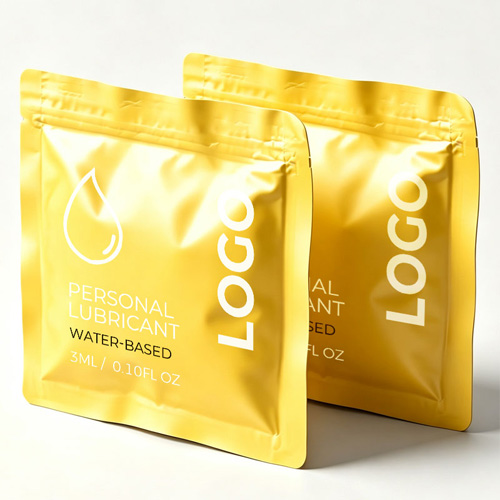
Raw material selection directly influences the sensory quality and safety margin of the bulk liquid. Inexpensive quotations often rely on industrial-grade or low-tier cosmetic glycerin, standard cellulose thickeners, and conventional chemical preservatives; while inexpensive in bulk, these ingredients can cause mucosal burning or dryness and carry higher bioburden risks. Quality manufacturing utilizes high-purity pharmaceutical-grade purified water, refined polymers, functional hyaluronic acid, and botanical extracts. While these medical-grade ingredients carry a higher base cost, they provide smooth, long-lasting, and non-irritating performance that helps prevent negative reviews.
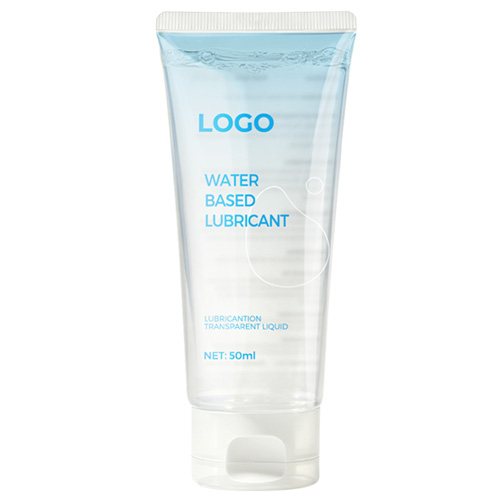
Packaging components represent the second major cost variable. Standard low-density polyethylene (LDPE) blow-molded tubes are economical but can feel utilitarian and risk deformation under shipping pressure. Conversely, sterile prefilled medical applicators, multi-layer aluminum-plastic tubes, or airless pump bottles involve higher unit costs but provide stronger barrier protection, professional presentation, and support for premium retail pricing.
Testing and regulatory compliance represent significant indirect costs that are easily overlooked. Selling legally in Western and domestic markets requires US FDA 510(k) clearances, EU CE certifications, or domestic Class II Medical Device credentials—filings that can cost hundreds of thousands of dollars to complete independently. Choosing a manufacturer that shares its existing credentials removes this financial burden, lowering overall landed unit costs.