Touring a modern personal lubricant manufacturing plant reveals an environment defined by engineering precision and structured discipline. Under evolving regulatory standards and consumer quality expectations, cleanrooms and automated machinery are not merely cosmetic features; they represent foundational safeguards for product safety and consistent delivery.
The primary function of a cleanroom is serving as an active barrier against microbial contamination. Formulated with water and moisturizing humectants, a personal lubricant can naturally support microbial growth if exposed to unmanaged environments. In standard factory settings, ambient dust, mold spores, and airborne particulates can settle into open bulk product during filling, leading to bioburden failures. In a Class 100,000 cleanroom, incoming air passes through primary, medium, and HEPA filtration stages to maintain positive pressure alongside constant temperature and humidity. Operators wear anti-static cleanroom suits and pass through air showers before entry, ensuring bulk liquids remain protected throughout filling.
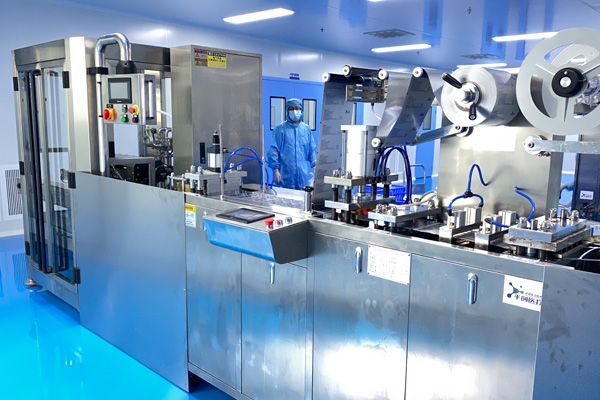
Automated production lines provide necessary batch-to-batch consistency and scale. Manual compounding and bench filling are slow and prone to fill-weight variations, inconsistent seals, and incidental handling contamination. Enclosed automated lines connect vacuum emulsification, non-contact filling, ultrasonic tube sealing, and laser lot coding into an integrated system. Electronic sensors monitor physical parameters in real time, verifying that each unit's fill weight, seal integrity, and physical properties match technical specifications.
For brand owners, cleanrooms help guard against product recalls, while automated lines support steady inventory during peak promotional periods. Choosing a manufacturer that operates within established cleanroom standards helps protect long-term brand reputation.