European circular economy initiatives have introduced demanding environmental standards for consumer packaging. High-volume personal care items like lubricating jelly that fail to incorporate recycled materials or meet recyclability criteria face environmental taxes or retail resistance. Utilizing compliant eco-friendly packaging has become a practical requirement for brands operating in Europe.
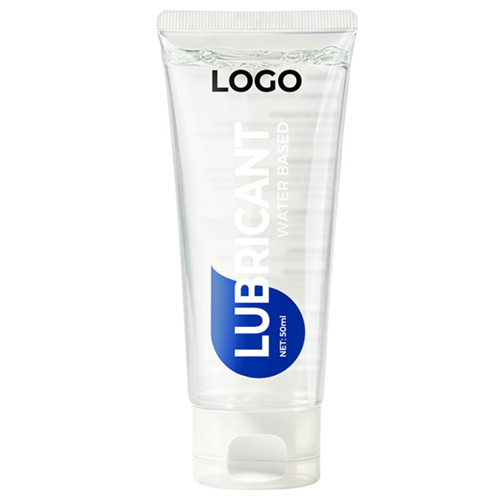
A common sustainable packaging approach incorporates post-consumer recycled plastics (PCR-PE and PCR-PET). These resins are cleaned and reprocessed to meet food-contact safety standards suitable for packaging containers. Incorporating 30% to 50% PCR content reduces the lifecycle carbon footprint of the packaging and helps brands comply with virgin plastic taxes. Paired with minimalist single-color printing, containers can enter established municipal recycling systems, reducing compliance risks at European ports.
Biodegradable polylactic acid (PLA) and lightweight aluminum-plastic tubes provide additional alternatives. For single-use travel formats, bio-based materials can break down in industrial composting facilities, matching zero-waste consumer preferences. Secondary packaging can utilize Forest Stewardship Council (FSC) certified paperboard printed with soy-based inks, creating an environmentally conscious presentation from primary bottle to outer carton.
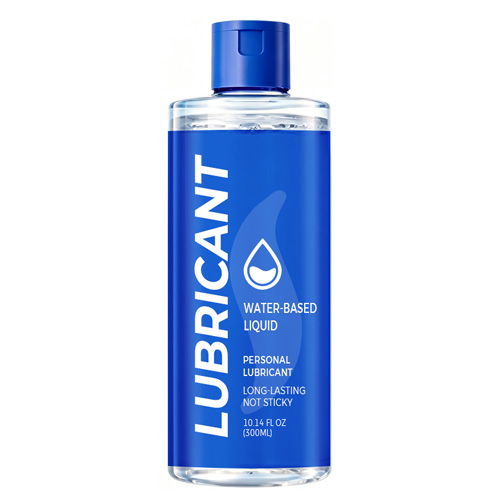
In European retail, products displaying recognized recyclability or plastic-neutral markings can capture positive consumer attention, facilitating access to retail chains like Boots that emphasize sustainable sourcing.
Manufacturing with recycled resins requires validating material consistency and seal integrity. Partnering with a supplier experienced in sustainable supply chains helps brands navigate low-carbon compliance smoothly.