Across competitive cross-border marketplaces, listings that use identical, off-the-shelf plastic tubes often end up competing primarily on price. Developing distinctive packaging is a practical way to improve product presentation and protect margins. Evaluating the costs and trade-offs between standard stock molds and custom tooling helps brands make sensible investments during expansion.
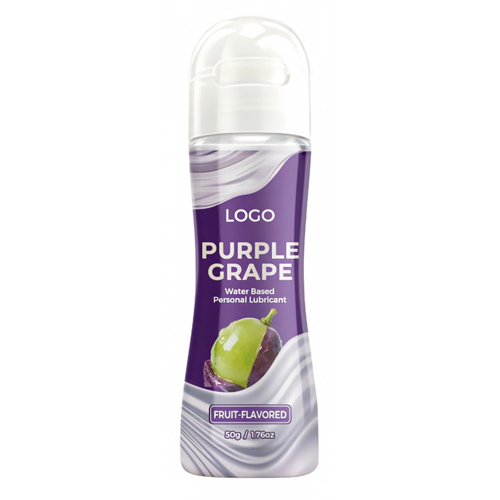
Private labeling with standard stock molds is an accessible approach for early-stage brands with limited capital. Established manufacturers stock hundreds of verified molds, including droppers, prefilled applicators, airless bottles, and standard pumps. Brands can bypass tooling expenses by customizing bottle colors, silk-screen typography, hot-stamping, and secondary cartons to create a distinct look within days. This zero-tooling-cost model reduces upfront expenses, keeping capital focused on initial sales testing.
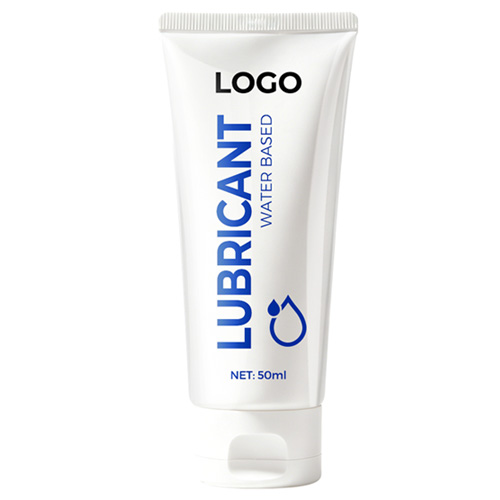
Once a product achieves consistent sales volume, investing in custom tooling helps establish proprietary market positioning. Developing custom molds involves industrial design fees, patent filings, and steel injection mold fabrication, typically requiring an upfront investment of several thousand dollars. However, proprietary molds provide design exclusivity, protecting products from direct visual imitation by competitors. Spread over production runs of tens of thousands of units, the per-unit tooling cost becomes negligible, while distinct packaging can support healthy retail price premiums.
Choosing the right approach depends on brand maturity: using standard molds for initial market testing, followed by custom tooling to consolidate proven winners.