In consumer product markets, leveraging proven manufacturing infrastructure can be more practical than building production capacity from the ground up. Reviewing emerging personal care brands that have scaled across e-commerce platforms and social channels reveals a common pattern: strategic partnerships with contract manufacturers that produce for established, tier-one brands. Leveraging these mature supply chains helps new entrants establish dependable product quality and consumer trust efficiently.
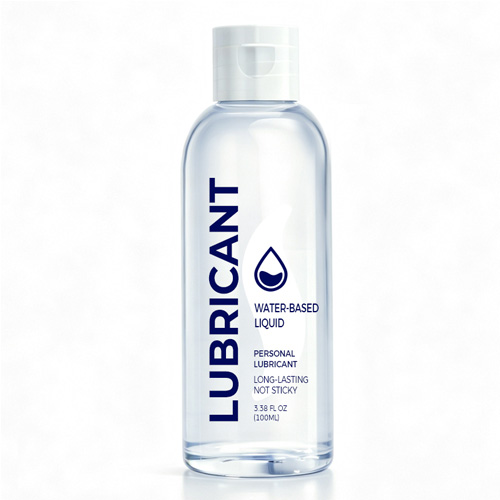
Working with an established manufacturer allows emerging brands to operate under rigorous quality management systems. Recognized brands apply demanding on-site audits and inspections to their contract partners, evaluating raw material purity, cleanroom air quality, and finished-product stress testing against high industry benchmarks. Startups partnering with such facilities gain immediate access to these quality control systems, achieving consistent commercial quality without spending years developing operational protocols.

This operational foundation also provides valuable market credibility. When presenting products to international retailers, regional distributors, and consumers, manufacturing credentials tied to medical-grade production and proven facilities help communicate safety and quality, supporting reasonable retail price points.
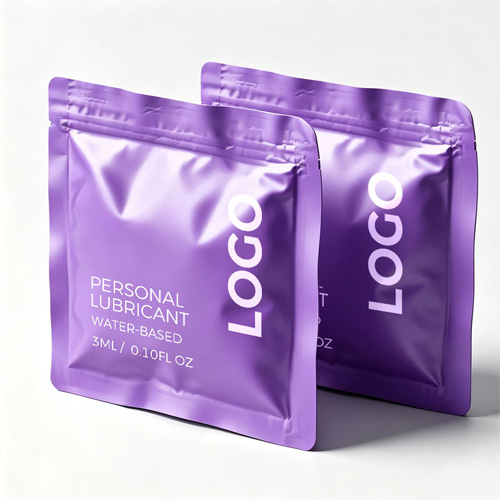
Additionally, an established manufacturer's extensive formulation library and packaging design resources help emerging brands keep pace with category trends. By benefiting from the manufacturer's volume purchasing power for raw materials and packaging components, smaller brands gain access to practical unit economics that support their market entry.