Across mainstream Western intimate care markets, demand for "glycerin-free" formulations is expanding steadily. Gynecologists, dermatologists, and conscious consumer advocates frequently advise shoppers to review lubricant ingredient lists for glycerin content. Formulating clean, glycerin-free Personal Lubricant offers cross-border brands an effective way to serve health-conscious consumers and those with sensitive skin.
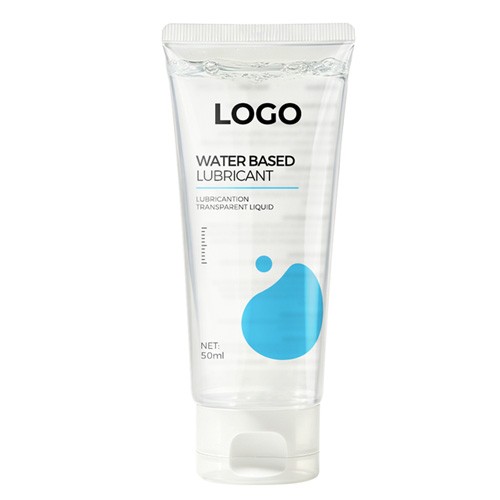
While glycerin is an economical and common humectant, its high osmolality presents trade-offs. In high concentrations on delicate vaginal mucous membranes, glycerin can draw water out from underlying cells via osmotic pressure, leaving tissues feeling dry shortly after initial application. Furthermore, metabolized glycerin residues can potentially shift local microenvironments in ways that favor yeast proliferation, increasing risks of irritation for susceptible individuals. Discerning Western consumers actively look for "glycerin-free" label claims, which often convert well on Amazon and DTC channels.
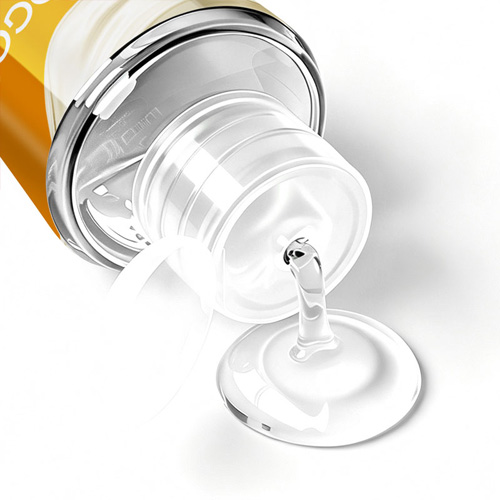
Formulating effective glycerin-free products requires alternative rheological and hydrating systems. Formulators typically utilize high-purity medical-grade sodium hyaluronate, marine polysaccharides, or plant-derived hydroxyethylcellulose to build an isotonic hydration matrix. Combined with specialized polyether polyols to fine-tune fluid cushioning, these formulations achieve a smooth, natural glide that matches or exceeds glycerin systems, providing extended moisture while rinsing cleanly with plain water.
This focus on clean formulation gives products a professional, cosmeceutical positioning. By utilizing medical-grade contract manufacturing, brands can build a credible, gentle, and science-backed presence in mature Western markets.