In the development of Personal Lubricant, water-based and silicone-based formulations each possess distinct advantages alongside inherent limitations. Water-based options are hydrating and rinse away easily with water, but they can evaporate and dry out during extended use. Pure silicone formulations provide durable, long-lasting glide, but they require soap to wash off and are incompatible with silicone sex toys. Developing a "hybrid" formulation that blends the refreshing hydration of a water phase with the durable slip of a silicone phase has become a popular strategy for creating differentiated flagship products.
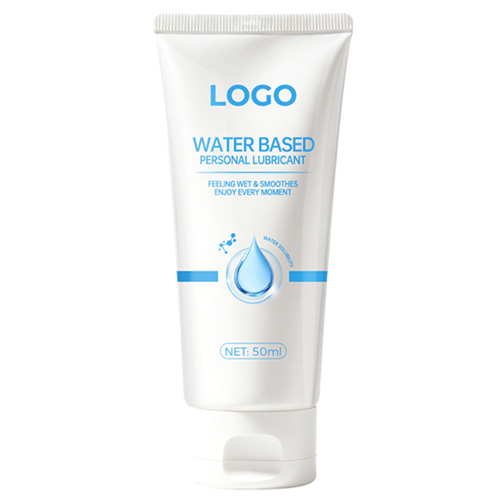
The primary technical challenge in hybrid formulations is micro-emulsifying thermodynamically incompatible systems. Basic mixing often results in phase separation, cloudiness, or oil pooling over time or under temperature shifts. Professional R&D teams address this by screening medical-grade amphiphilic polymers to build stable micro-emulsion cross-linked networks, locking high-purity dimethicone droplets within a hydrophilic hydrogel framework. This structure presents as an elegant, semi-translucent lotion-gel that breaks upon application: the water phase releases initial hydration, followed by the silicone phase spreading into a smooth, silky protective film.
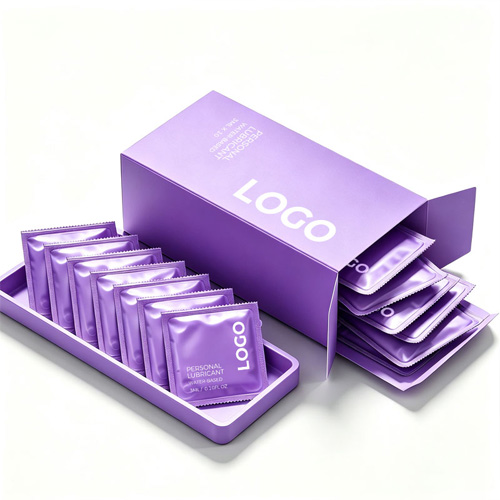
In terms of compatibility and cleanup, hybrid matrices offer balanced performance. Careful rheological tuning maintains extended lubrication while reducing the heavy, clingy feel of pure silicone oils, allowing the product to wash away with warm water and a little mild soap. Crucially, many hybrid formulations remain safe for use with natural latex condoms, broadening practical usage scenarios. At retail, hybrid products can often support higher price points by delivering the combined benefits of both base types.
Producing stable hybrid formulations requires specialized high-shear homogenization machinery and precise thermal controls to ensure consistent emulsification across commercial batches.