Securing distribution in major international pharmacy chains (such as CVS, Boots, and Walgreens) and upscale retail supermarkets represents an important milestone for intimate wellness brands, offering stable volume and mainstream visibility. Compared to online channels, brick-and-mortar retail groups apply thorough screening systems for prospective vendors. Understanding the contract manufacturing roadmap for pharmacy distribution helps brands expand from digital storefronts into physical retail.
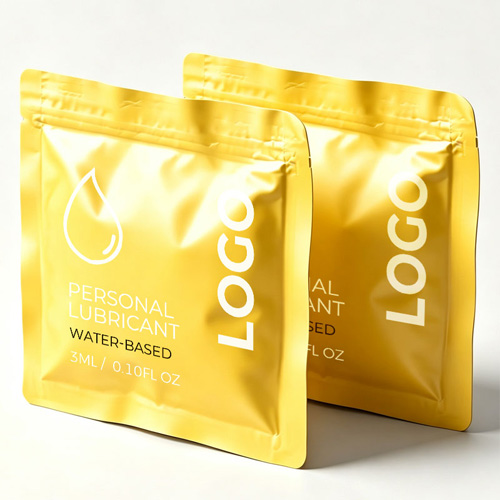
The initial hurdle is passing enterprise and product-level regulatory compliance audits. Pharmacy systems operate within healthcare frameworks and do not stock products with ambiguous regulatory positioning. Contract manufacturing facilities must be certified under the ISO 13485 Medical Device Quality Management System, and products must hold required market access credentials, such as US FDA 510(k) clearances or CE certificates under the EU Medical Device Regulation (MDR). Factory quality manuals, vendor audit trails, and batch records must all withstand review by third-party retail audit teams.
Formulation development for pharmacy channels prioritizes biological compatibility and safety. Buyers favor minimalist, low-allergen formulas with full ingredient transparency, supported by vaginal irritation testing and human patch sensitization trials. Preferred packaging formats include tamper-evident closures, single-use sterile applicators, or high-barrier airless pump bottles that protect formula stability, viscosity, and appearance over extended retail shelf lives.
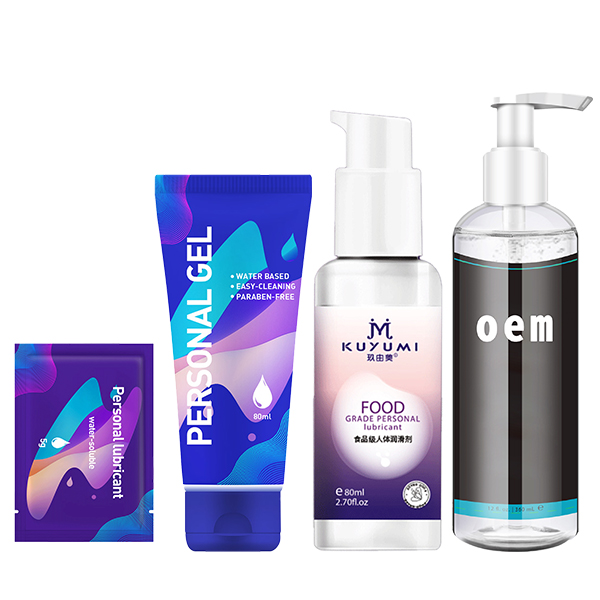
Partnering with a contract manufacturer experienced in medical device standards gives brands access to compliant product lines and regulatory dossiers, smoothing the path into international pharmacy retail.