With international demand for intimate wellness products expanding, export manufacturing needs continue to rise, yet operational standards vary across the supply chain. Intermediary trading brokers sometimes pose as manufacturing entities, adding markups and disclaiming responsibility when quality issues or delivery delays arise. Identifying a genuine source manufacturer with real export capabilities requires buyers to evaluate three practical operational criteria.
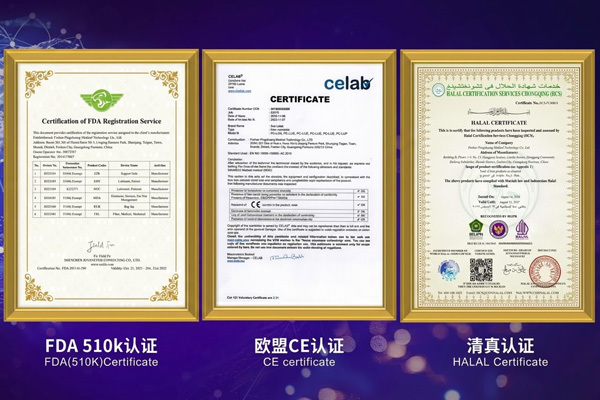
The primary step is verifying the authenticity and registration details of regulatory documents. A qualified export manufacturer holds FDA 510(k) premarket notification letters, EU CE certificates, and ISO 13485 quality system certificates that list the manufacturer's exact corporate entity name, which can be verified in public regulatory databases. An authentic manufacturer can also provide copies of actual bills of lading (B/L) and customs export declarations under its own name, demonstrating consistent, legitimate shipping activity.
The second criterion is an on-site evaluation of facility infrastructure and automation scale. An authentic export factory will house thousands of square meters of verified Class 100,000 cleanrooms equipped with vacuum homogenizers, automated filling and labeling machinery, and physical-chemical testing laboratories. Facilities producing hundreds of thousands of units daily are equipped to handle high-volume container shipments without missing contractual delivery dates.
Finally, review the manufacturer’s track record with established international brands. Facilities that maintain long-term supply relationships with recognized pharmaceutical firms or established retail brands have passed rigorous third-party factory audits. This operational history offers reliable reassurance for emerging private-label brands.