In the global trade of water based lubricant, the era of "one-size-fits-all" is over. Facing differences in consumers' physiological traits, aesthetic preferences, and climate across regions, brands must reject product homogenization to achieve sustainable growth. Localized formula improvements have become the key to boosting user repurchase rates and market penetration, serving as the fundamental strategy for established brands to win in differentiated competition.
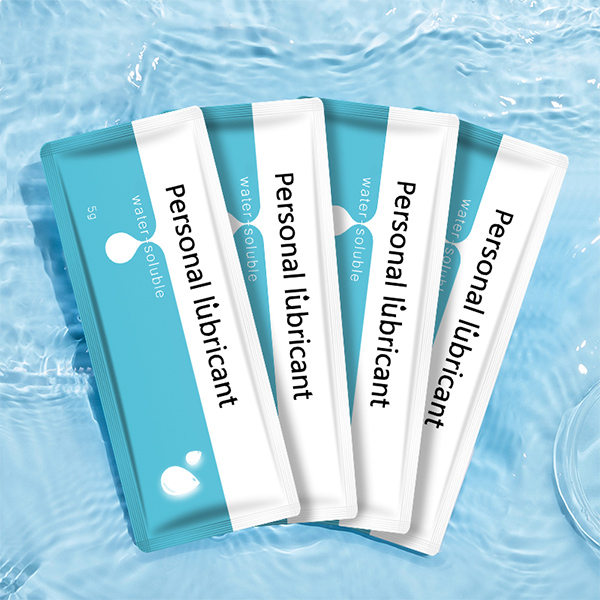
Localization improvements are first reflected in precise fine-tuning of tactile sensations. For example, European and American users often prefer high-viscosity, long-lasting silicone-based or hybrid products, seeking an ultra-smooth, enveloping feel; whereas in Southeast Asia, due to the hot and humid climate, consumers favor refreshing, non-sticky, fully water-soluble, and easy-to-clean water based lubricant products. The pH balance range also needs fine adjustment according to regional population characteristics to ensure optimal biocompatibility. Additionally, fragrance selection and functional enhancements (such as warming, cooling, or hyaluronic acid skincare) should be developed directionally based on local trends, upgrading the product from a tool to a sensory interactive experience.
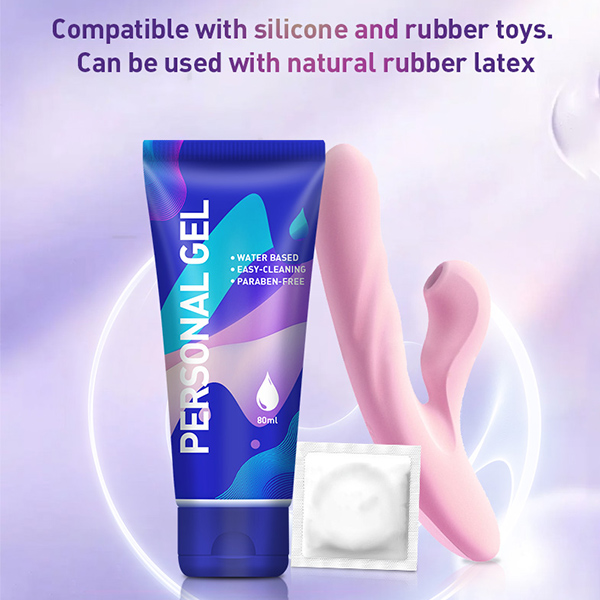
To achieve this level of deep customization, it is essential to rely on contract manufacturers with extensive formulation knowledge bases. Brands should use market feedback data to require factories to optimize over 60 detailed parameters, creating truly "star bestsellers" tailored to the local market. Localization is not just about improving text translation but starts from the underlying formulation logic, perfectly integrating global quality standards with regional consumer preferences. This deep adaptation capability is the strongest moat for brands to establish themselves in the global market and withstand low-price competition.