In today's overseas consumer market, the concepts of "pure beauty" and "sustainable living" are deeply penetrating the intimate care field. water based lubricant is no longer just a basic auxiliary tool; consumers are beginning to scrutinize its ingredient list like skincare products, seeking vegan, organic, and natural sources. This green consumption trend is becoming a new opportunity for water based lubricant customization and export trade overseas, providing brands with excellent premium potential.
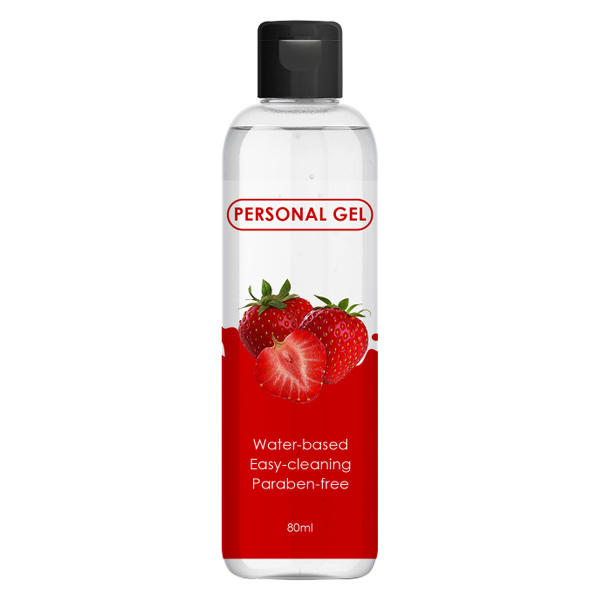
The core of the vegan concept lies in the absence of animal-derived ingredients and the rejection of animal testing during production. In the European and American markets, this is not only a symbol of quality but also a reflection of brand values. Meanwhile, organic lubricants emphasize natural ingredients by adding plant extracts such as aloe vera, seaweed, and chamomile to replace traditional synthetic chemicals. This shift from a "chemical feel" to a "care feel" greatly satisfies sensitive skin users' pursuit of a gentle experience. For cross-border sellers, leveraging differentiated green labels can effectively avoid low-price competition in the red ocean market and attract a rational consumer group with high spending power.
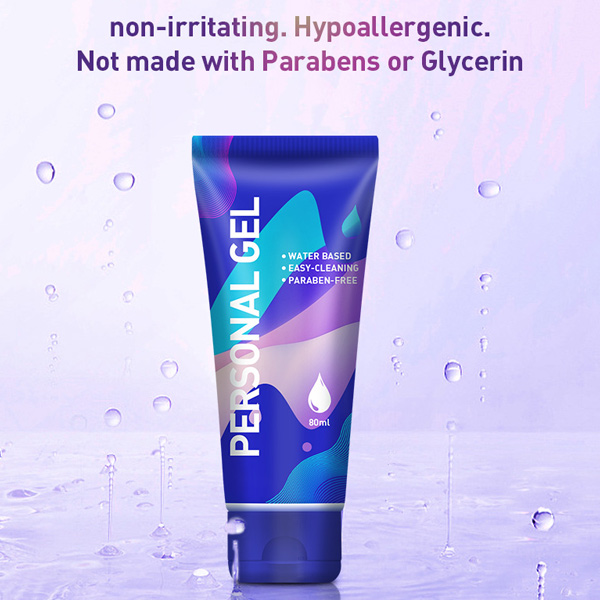
To seize this opportunity, brands must rely on factories with forward-looking R&D capabilities. When customizing such products, it is essential not only to address the stability of plant ingredients in preservative-free systems but also to ensure the product meets medical-grade standards in core parameters like pH and viscosity. By combining "vegan, organic" with "global compliance," brands can quickly establish a high-end skincare-level intimate care image on platforms like Amazon and independent websites. This trend indicates that future international competition will revolve around ingredient transparency and biotechnology application capabilities.