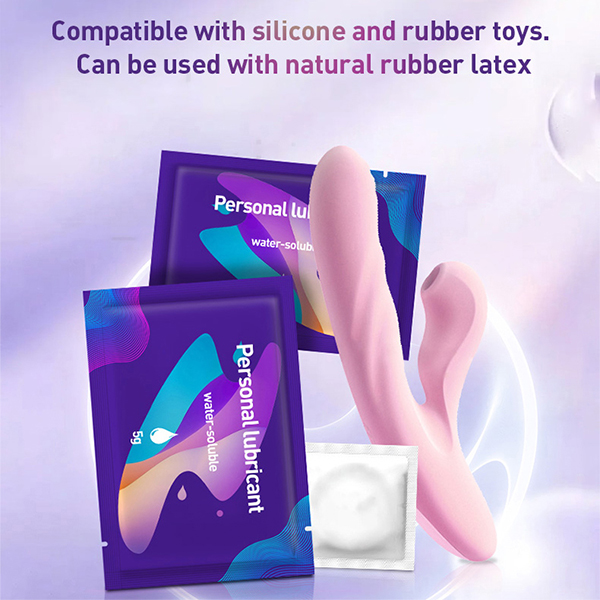
In the global water based lubricant trade, product homogenization has become a "profit crusher." How can one stand out among the many ordinary water based lubricant products? "Hyaluronic acid water based lubricant" is showing great export potential. This strategy of introducing a star ingredient from skincare into intimate care perfectly aligns with global consumers' pursuit of "self-pleasure" and "ultimate care," serving as a secret weapon for brands to achieve high premium overseas.
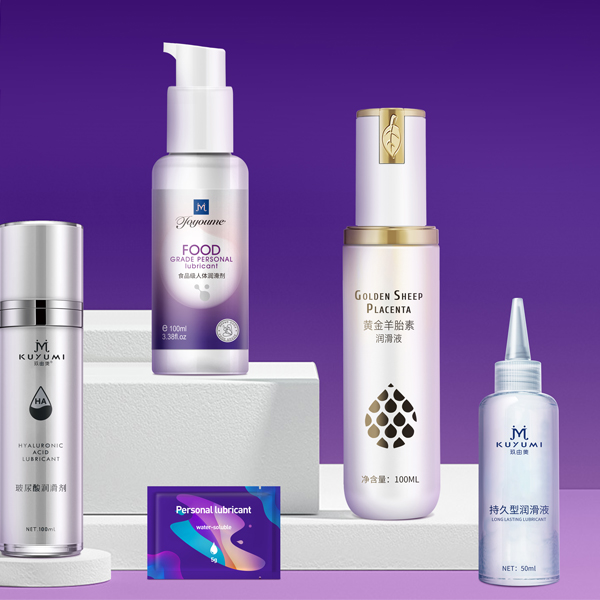
The core competitiveness of hyaluronic acid lubricants lies in their "moist without oily" texture. While European and American consumers prefer long-lasting effects, they also dislike the difficulty of cleaning traditional silicone oils; Southeast Asian consumers seek a refreshing feel but struggle with traditional water-based lubricants drying out quickly. As a powerful hydrating agent, hyaluronic acid not only provides an ultra-long silky experience but also naturally offers skin-friendly repair functions, elevating lubricants from a "functional product" to an "anti-aging care product." On cross-border e-commerce product pages, emphasizing the concept of "Medical Grade Hyaluronic Acid" can significantly enhance the product's professional image and average order value.
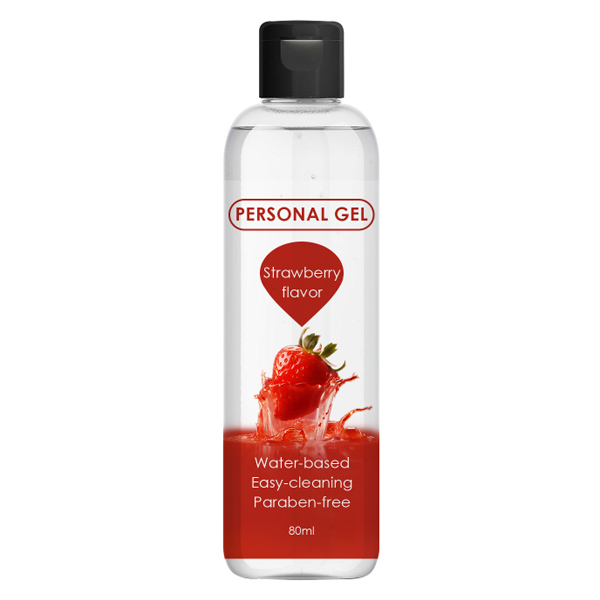
To tap into this incremental market, brands must rely on R&D-driven factories with strong formulation reserves. They need to address the stability of hyaluronic acid at different viscosities, ensure precise pH balance, and hold certifications such as FDA and CE. Through differentiated medical syringe or vacuum bottle designs, combined with global market access endorsements, hyaluronic acid lubricants can quickly establish a high-end brand moat on channels like Amazon and independent websites, bringing companies long-term stable repurchases and high returns.