The personal lubricant contract manufacturing market features varying levels of quality and technical capability, where information asymmetry can lead procurement teams into costly missteps. Choosing an ill-equipped factory can result in product defects like phase separation or batch inconsistency, while unvetted facilities risk customs detentions or platform listing removals due to missing regulatory clearances. When negotiating B2B contracts and auditing manufacturing sites, five core criteria help buyers manage procurement risks effectively.
The first criterion is the validity and depth of regulatory certifications. Because Personal Lubricant make direct contact with mucosal tissues, international oversight is strict. Verifying whether a manufacturer holds a Class II Medical Device Registration Certificate, ISO 13485 Quality Management System certification, and necessary export clearances—such as US FDA 510(k) clearances and EU CE marks—is fundamental for ensuring legal distribution. Facilities lacking verified credentials cannot provide valid customs declarations or compliant third-party testing dossiers.
The second and third criteria involve cleanroom filtration classifications and automated production capacity. Whether a product is filled within a verified Class 100,000 cleanroom directly determines whether bioburden and microbial limits remain consistently compliant. Meanwhile, the number of automated lines and daily unit volume indicate a factory’s ability to fulfill high-volume purchase orders with consistent batch quality.
The fourth and fifth criteria center on R&D depth and technical support services. A qualified manufacturer should maintain thousands of stability-tested formulations that can be fine-tuned for regional market preferences. Furthermore, whether the manufacturer provides end-to-end support—such as complimentary prototype sampling and regulatory packaging compliance reviews—directly affects project timelines and capital efficiency. Evaluating potential partners across these five dimensions helps procurement teams secure reliable manufacturing alliances.
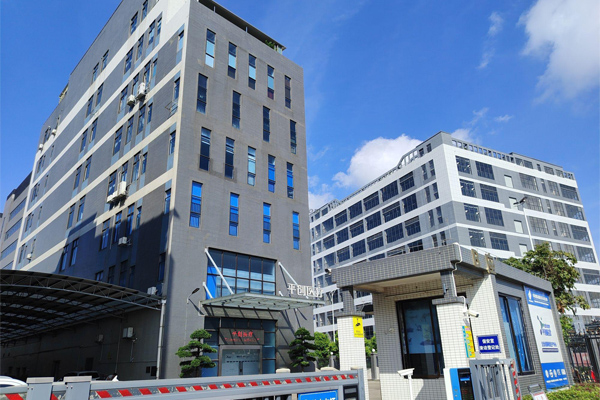
Pingchuang Medical maintains complete regulatory credentials, including Class II Medical Device Certificates, FDA 510(k), CE, and ISO 13485 certifications. Its facility houses a 3,000 m² Class 100,000 cleanroom and 10 automated lines, producing 600,000 units daily. Backed by 2,000+ mature formulations, 21 quality checkpoints, and complimentary design and sampling services, Pingchuang provides procurement teams with a reliable, compliant supply chain.