For emerging brands seeking to capture market opportunities, product launch cadence directly influences business survival. When commissioning private-label Personal Lubricant for the first time, founding teams often lack clarity regarding developmental lead times, risking operational delays due to mismatched scheduling expectations. Mapping the timeline from initial concept to commercial delivery helps managers plan capital allocation and marketing campaigns effectively.
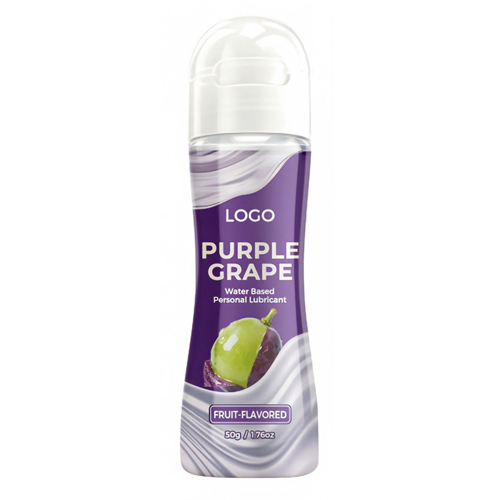
The process begins with requirement discovery and bench sampling. Leveraging an established technical library, a manufacturer can generally prepare custom prototypes and dispatch them within one to three business days. Upon receipt, brand owners conduct blind sensory evaluations and verify physical parameters. Once a formulation is approved, packaging engineering and visual adaptation begin. Utilizing in-stock standard molds with the manufacturer providing complimentary label design can compress this phase to several days; custom mold tooling, by contrast, requires dedicated lead time for mold fabrication.
Following packaging sign-off, operations shift to material intake, production scheduling, and quality testing. A medical-grade plant runs raw materials through infrared spectroscopy and heavy metal testing before proceeding to vacuum homogenization and automated filling inside Class 100,000 cleanrooms. After filling, finished goods complete laboratory microbial incubation periods to verify that total aerobic counts remain well within regulatory limits.
With an organized manufacturer, this standard workflow typically spans two to four weeks. Working with a source manufacturer that maintains broad component stocks and rapid prototyping capabilities helps brands bring products to market within practical timeframes.