The market performance of water based lubricant shows significant geographical differences across regions. These differences result from a combination of climate, physiological characteristics, and cultural habits. Brands must not rely on a one-size-fits-all approach when expanding overseas. A deep understanding of the preference gaps in formulas, specifications, and packaging between Southeast Asian and Western markets is a key strategy for sellers to accurately acquire customers and avoid inventory backlog.
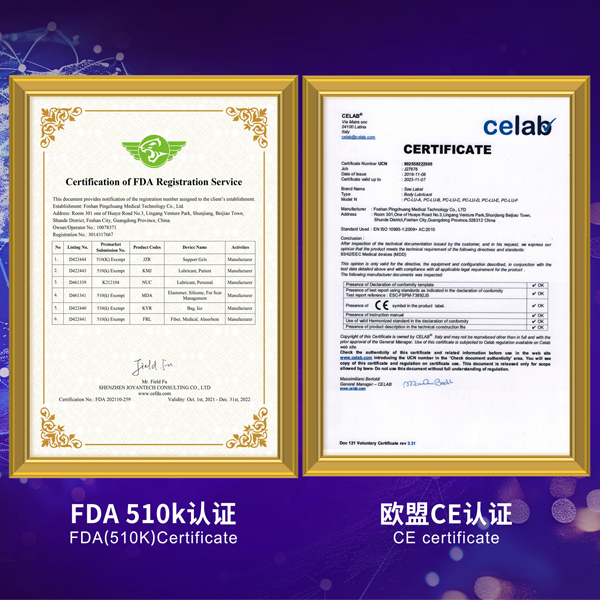
The European and American markets are typical high-viscosity, long-lasting demand markets. Influenced by their mature sexual culture and constitution, users in these regions prefer silicone-based lubricants with strong durability or high-concentration hybrid products, having a natural obsession with "presence" and "heaviness." In terms of packaging, they favor minimalist medical-style designs and large-capacity containers (such as 250ml pump bottles). Compliance-wise, FDA and CE certifications are the basic thresholds for transactions. In contrast, the Southeast Asian market, due to its year-round hot and humid climate, has consumers with an extreme demand for a "refreshing feeling." They tend to prefer fully water soluble, easy-to-rinse, and non-sticky formulas. Fruit-flavored series and cooling sensation products are extremely popular on Southeast Asian e-commerce platforms.
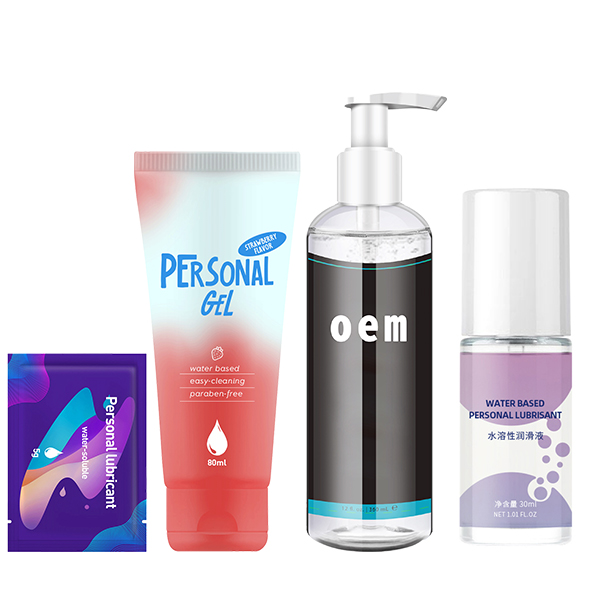
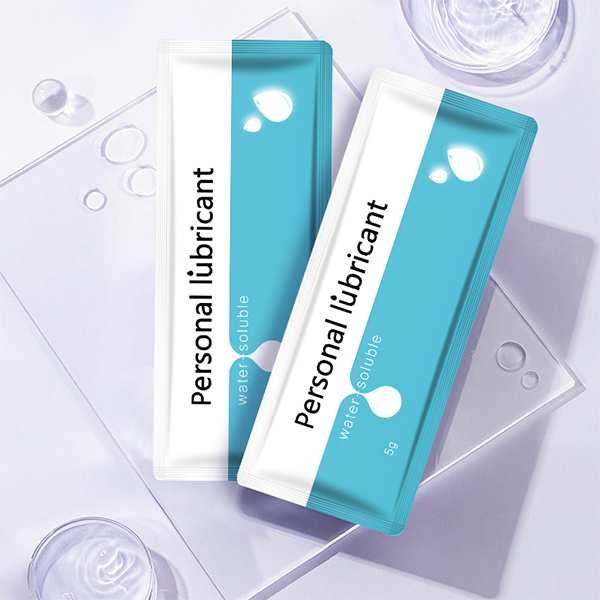
Southeast Asian users are more price-sensitive, so smaller-sized combo packs (such as 30ml or sachets) tend to sell better. Additionally, due to cultural conservatism, packaging design in Southeast Asia should lean towards a "daily personal care" feel to reduce purchase resistance. When outsourcing exports, sellers should require factories to flexibly adjust pH and viscosity parameters according to different regions. Understanding these regional differences and customizing production accordingly can not only improve conversion rates but also quickly build brand loyalty through an exceptional localized experience.