With the global popularization of the concept of eugenics and quality childbirth, specialized water based lubricant for pregnancy and pre-pregnancy periods is becoming a highly promising niche in overseas markets. Traditional lubricants often contain ingredients that affect sperm motility or disrupt pH balance, posing hidden barriers for women preparing for pregnancy or in special physiological stages. Exploring customized opportunities that are "sperm-friendly, pH-balanced, and sterile" is a key entry point for brands into the broader health and medical field.
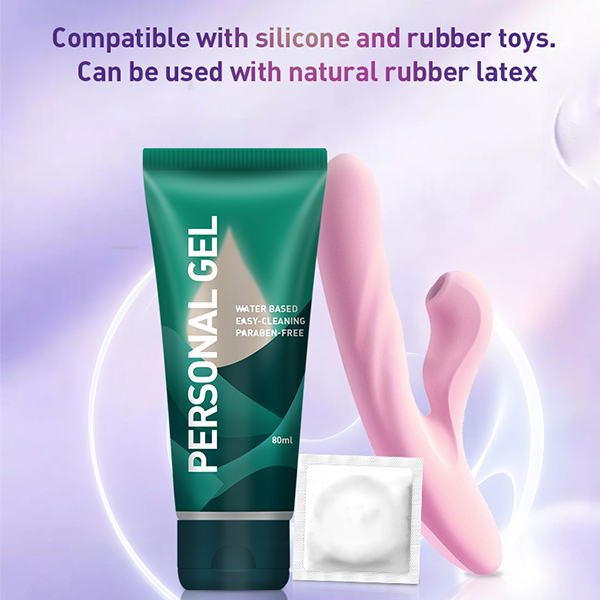
The development challenge of pregnancy-specific lubricants lies in the extremely precise regulation of pH levels, which must strictly simulate the body's natural conception microenvironment. Additionally, the formula must exclude any additives that may cause biological interference, such as spermicides, fragrances, and colorants, instead using highly biocompatible ingredients like medical-grade hyaluronic acid. In marketing scenarios, such products are often positioned as "professional medical health care" and consistently occupy a high premium segment on platforms like Amazon. Brands that can differentiate themselves with medical endorsements (such as Class II medical device registration certificates) and hypoallergenic safety claims can quickly build strong user loyalty within fertility communities and maternal and infant e-commerce.
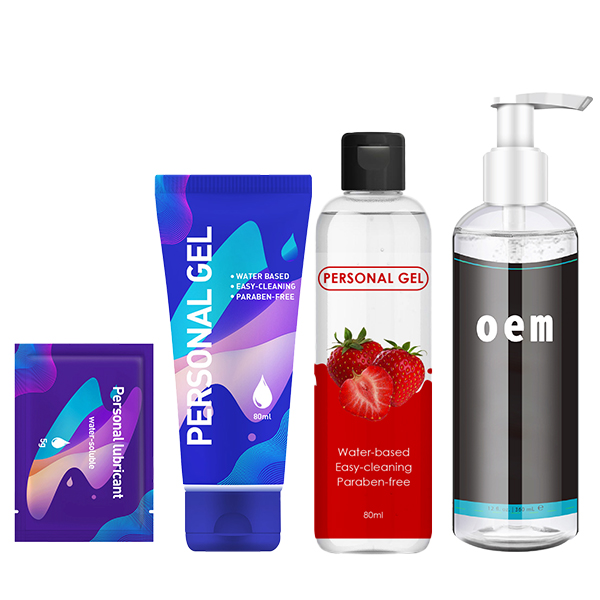
When choosing to customize such products, it is essential to find a leading factory with medical-grade certification and GMP production conditions. The entire process, from raw material storage to automated filling, is controlled for sterility, which determines the product's credibility. Brands can significantly reduce R&D cycles and quickly launch new products by sharing the factory's global compliance qualifications. Focusing deeply and thoroughly on niche markets is often more strategically meaningful than engaging in price wars in a saturated market, serving as an efficient shortcut for new brands to establish differentiated barriers.