In the daily sales of water based lubricant, consumers often report issues like "excessive foaming" or "thinning viscosity" after the product has been stored for a period. This is not just a visual concern but also indicates compromised formula stability, which can easily lead to a decline in repurchase rates. Addressing these pain points requires deep technical research in water based lubricant development, with precise control of physicochemical parameters to ensure that every bottle maintains consistent quality from production to the end of its shelf life.
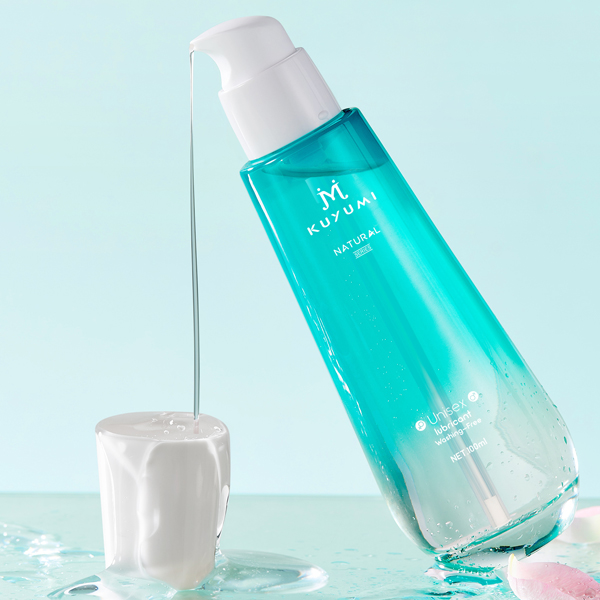
Formula thinning is usually related to the choice of thickener and failure of the preservative system, especially during high-temperature transportation, where immature polymer structures are prone to breaking. Foaming often results from improper shear processes during production or impurities remaining in the raw materials. Medical-grade factories conduct 21 quality control steps during R&D to pressure test the physicochemical parameters of each batch. Using vacuum emulsification technology, they eliminate air residues at the production source and add medical-grade stabilizers to lock in pH and viscosity. This technology's refinement forms the foundation for brands to avoid negative reviews and build professionalism on e-commerce platforms, directly determining long-term repurchase rates.
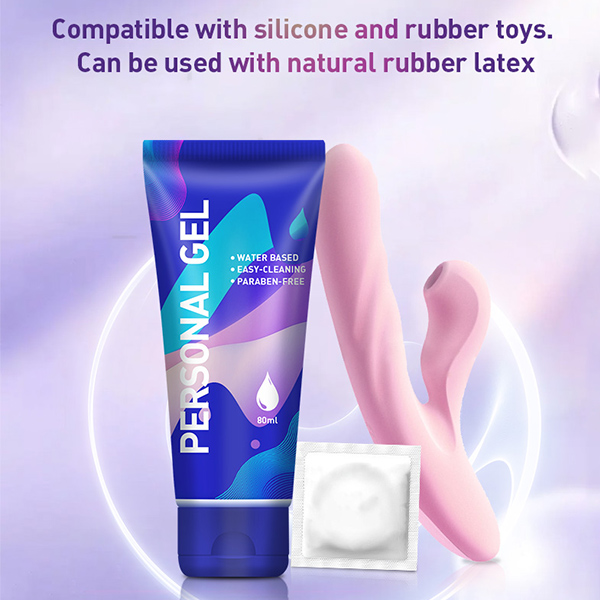
For brand owners, rather than passively responding to after-sales complaints, it is better to choose a factory with a mature formula knowledge base at the early stage of outsourcing. By deeply customizing over 60 parameters such as viscosity and film-forming properties, brands can ensure their products perform reliably under various extreme conditions. Stable production quality is the foundation of brand premium; only factories operating in Class 100,000 cleanrooms and strictly adhering to GMP standards can provide lasting technical endorsement for best-selling products, allowing brands to gain reputation benefits in the competition.